SEARCH

Practitioner 2010; 254 (1735): 23–26
Optimising pain control in osteoarthritis
20 Dec 2010
AUTHORS
Dr Claire YJ Wenham BMBS MRCP
Clinical Research Fellow
Professor Philip G Conaghan MBBS PhD FRACP FRCP
Professor of Musculoskeletal Medicine
Section of Musculoskeletal Disease, University of Leeds & NIHR Leeds Musculoskeletal Biomedical Research Unit
Article
A recent large survey showed that 81% of people with osteoarthritis (OA) are in constant pain or are limited in their ability to perform everyday tasks.1
Patients present with joint pain and stiffness and are often unable to carry out their usual activities which impacts significantly on their quality of life. Associated depression and anxiety are common.
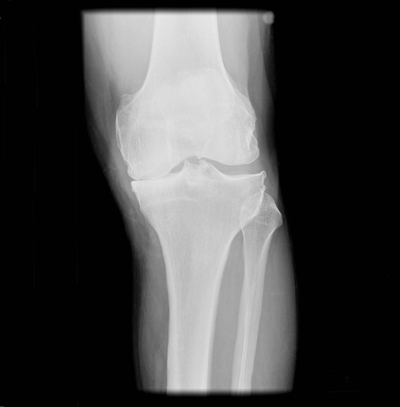
Medically we recognise a syndrome of joint pain with associated structural joint pathology in OA. The pathology includes loss of cartilage, damage to the menisci and changes within the bone underneath the cartilage, including osteophytes. Inflammation within the synovial lining of the joint, sometimes resulting in effusion, is common in symptomatic OA as is weakness of the supporting ligaments and muscles.2
OA has been previously categorised as idiopathic or secondary, with secondary causes including congenital abnormalities, trauma and chronic bone disease e.g. Paget's disease. However, in clinical practice this distinction may not be clear. OA is the result of the interaction between many factors, including the environment and individual risk factors. Genetic influences are complex and differ according to anatomical site of OA.
It is likely that the development of the clinical OA syndrome is a result of several insults that result in failure of the joint. Risk factors for OA are summarised in table 1.
Causes of pain
The OA process affects all structures within a joint, including the synovial lining and the subchondral bone. Recent modern imaging studies, magnetic resonance imaging (MRI) in particular, have demonstrated that several key structures are associated with pain.
We now understand that detection of inflammation of the synovial lining depends on the imaging modality employed. When sensitive MRI techniques are used synovitis is found to be almost ubiquitous in painful knee OA.3 When ultrasound is used synovitis is seen in up to 45% of patients with painful hand OA,4 although this may not always be clinically evident.
Joints may be tender but not look swollen and blood tests are usually normal.
Many current treatments for OA are thought to target the synovium e.g. NSAIDs and this may be why they are effective. Changes in the subchondral bone are also common on MRI and are also associated with pain.5 At present most data assume that OA pain is nociceptive in origin and there is limited evidence for a neuropathic mechanism.
Assessment
Both NICE6 and the Osteoarthritis Research Society International (OARSI)7 have produced evidence-based guidelines on the management of OA. All current OA guidelines agree that a holistic approach to patient assessment should be adopted including the effect of the disease on quality of life, mood and function.
The initial assessment should take into account the patient's concerns and understanding of their joint symptoms. It is important to evaluate the effects that their OA has on their quality of life, function and mood.
In a busy GP practice this assessment will need to take place over more than one visit. Current pain medications and any self-help treatments being used should also be recorded so that a specific management plan can be agreed with the patient.
Pain
Pain assessment can be initiated by asking a few quick questions (see below) and treatment altered according to the response:
- Do you have pain when resting?
- Do you have pain at night?
- Do you have pain during gentle activity (e.g. walking) or moderate activity?
One of the major confounders in assessing pain is the presence of multiple painful joints, which is extremely common. Other sources of musculoskeletal pain commonly co-exist in people with OA, for example trochanteric bursitis caused by altered gait in those with knee or hip OA, or forearm tendinitis in those with painful OA of the hands. This should be taken into account during the consultation. Physical function is also important to document and can be assessed using questions such as:
- How does your OA affect your current job?
- Can you still do the leisure activities that you enjoy?
- Can you go up and down stairs?
- How far can you walk before your knee pain stops you?
Anxiety and depression are common in patients with OA and will affect their mood and response to pain so identifying and treating associated anxiety and depression is very important. The PHQ9 and GAD7 can be used to screen for depression and anxiety.
Treatment
All available treatments for OA are directed at symptom control as there are not yet any widely accepted drugs that can affect the structural progression of OA. Current guidelines recommend a combination of non-pharmacological and pharmacological management.
Treatment needs to be adjusted according to individual symptoms, past medical history, comorbidities and lifestyle. NSAIDs, for example, may be inappropriate in a patient with renal impairment, gastrointestinal diseases or a history of ischaemic heart disease.
The initial approach centres on self-help and patient-driven treatments and should be started in primary care. This includes:
- education, advice and access to information. Both verbal information and patient information leaflets (e.g. from Arthritis Research UK)8 should be offered
- local strengthening exercises and aerobic fitness training
- weight loss in patients who are overweight or obese
Exercise and weight loss
Exercise and weight loss, where appropriate, should be recommended for all patients. Weight loss can improve physical function in knee and hip OA if the patient is overweight.
Pain should not be a barrier to exercise. Analgesia may be required to enable patients to undertake regular exercise. The effectiveness of exercise has been demonstrated in numerous randomised controlled trials and systematic reviews, which have shown reduced pain and disability and improved physical function. Appropriate exercises include forearm strengthening exercises for hand OA and quadriceps exercises for knee OA. It is important to explain to patients that exercise must be done regularly in order to be effective.
Referral to a physiotherapist may help and should be considered for all patients with symptomatic disease.
OA patients are also eligible for the exercise on prescription scheme. This is a partnership between primary care organisations and local authority leisure services by which, for the cost of a prescription, patients can be referred for a ten-week, tailored fitness programme.
Pharmacological treatments
Paracetamol and topical NSAIDs
Paracetamol and topical NSAIDs are effective and should be tried before oral NSAIDs (see table 2, below). Patients should be aware that irregular dosing of paracetamol may reduce efficacy.9
Topical NSAIDs may require multiple daily applications to be effective, which can reduce compliance, but they are effective in the short-term and are not associated with systemic toxicity. Topical treatments may be less useful for patients whose occupation requires them to wash their hands frequently, but should still be considered and are particularly useful for knee OA.
Oral NSAIDs and COX-2 inhibitors
Oral NSAIDs or COX-2 inhibitors should be considered if the above therapies fail to provide sufficient pain relief. NSAIDs are more effective analgesics than paracetamol but can have considerably more side-effects. They should be used at the lowest effective dose for the shortest possible time. It is important to take into account the potential gastrointestinal, liver and cardio-renal toxicity when prescribing these drugs and review these risk factors at least once a year. NICE recommends that all oral NSAIDs and COX-2 inhibitors should be prescribed with a PPI.6
Opioid analgesics
There is less trial data on opioids than on NSAIDs but there is evidence for their efficacy, generally with greater effect on pain than on function. The analgesic benefit of opioids is limited by a high incidence of side effects, particularly confusion and constipation, in around 25% of users, especially the elderly.10
Topical capsaicin
Topical capsaicin, applied up to four times a day, has been shown to be a useful and cost-effective analgesic when compared with placebo, for knee or hand OA. Local redness or irritation may occur in 40% of cases, but this is usually mild.7
Intra-articular corticosteroids
Patients who have moderate to severe pain that is not responding to oral analgesics or anti-inflammatories, may benefit from intra-articular injections of corticosteroids. This treatment can also be effective in patients with symptomatic knee OA with moderate to large effusions causing mechanical or pressure-type symptoms. Usually no more than three to four injections a year are recommended.
Approximately 70% of patients will have modest, but short-term, benefit usually lasting two to four weeks11 and this is a good time to promote muscle-strengthening exercises. There are no guidelines on which preparation of steroid is best.
Hyaluronan injections
There is mixed data on the analgesic efficacy of various hyaluronan preparations and they are not recommended by NICE. A recent review of the highest quality studies has suggested that the effect size for pain relief is very small.10As is the case with many OA therapies there is unfortunately no good evidence on how to select patients who may be more likely to respond.
Glucosamine and chondroitin
A recent large meta-analysis of all chondroitin and glucosamine trials has not demonstrated any benefit in either pain reduction or structural modification.12 There is some evidence from high quality trials for symptomatic relief of knee OA with the use of glucosamine sulphate10 (less evidence for glucosamine hydrochloride) at a dose of 1.5g daily7 and a three-month trial may be considered. However, the use of these agents remains controversial.
Non-pharmacological treatments
Aids and devices
Footwear should be shock-absorbing with good arch support for those with knee or hip OA. Insoles may reduce pain and improve mobility. Walking aids can reduce pain in knee or hip OA, when used in the opposite hand. It is worth considering referral for a knee brace in those patients with mild/moderate valgus or varus instability as this too can reduce pain.
TENS/ thermotherapy
TENS may give further short-term pain relief and could be trialled although evidence is limited. Some physiotherapy departments may offer training in the use of TENS machines and they are available to purchase at reasonable cost. Local cold or heat application is easy and safe and can improve symptoms although supporting evidence is limited.
Acupuncture
There is evidence from recent systematic reviews that acupuncture does have some efficacy for pain relief in OA but the response diminishes with time.7,10 Trials have used different regimens and types of acupuncture and it is not possible at present to predict who may respond. Local physiotherapy departments may offer an acupuncture service for OA patients.
Tailoring treatment
Patients with OA often have many comorbidities and clearly drug prescribing must take these into account. Regular paracetamol generally remains the first-line pharmacological treatment because of its reassuring safety profile but patients presenting to their GP with painful OA will often have tried regular paracetamol and will have symptoms that warrant a trial of NSAIDs (oral or topical) or mild opioids in addition. These should be prescribed with care and used alonside other non-pharmacological treatment, in particular quadriceps exercises for knee OA.
Timing of analgesia is important. Advise patients to use analgesics before they exercise, so adherence to exercise routines is maintained. It is also worth considering long-acting i.e. modified-release preparations so pain relief is at a maximum throughout the most symptomatic period of the day or night. It is important to ask about OTC preparations, especially NSAIDs as these are commonly used by patients.
Future developments
New therapeutics for treating OA pain which are undergoing clinical trials at present include icatibant, a long-acting bradykinin receptor inhibitor, which is given as an intra-articular injection, duloxetine, a serotonin and noradrenaline reuptake inhibitor, which has demonstrated superior
pain relief to placebo after just one week,13 tapentadol, a dual action Mu-opioid agonist and noradrenaline reuptake inhibitor, and tanezumab, a monoclonal antibody that binds and inhibits nerve growth factor, which has shown pain reduction and functional improvement in patients with moderate to severe OA knee.14 None of these are yet recommended for routine use.
Conclusion
A holistic assessment of people with OA, including the effect on quality of life, mood and function, is essential. Pain can be assessed during a consultation using a series of questions and treatment should be altered according to the response.
A range of treatments are available, although these must be adapted according to the patient's co-morbidities and lifestyle.
REFERENCES
1 Arthritis: The Big Picture. www.arc.org.uk
2 Felson DT, Lawrence RC, Dieppe PA et al. Osteoarthritis: New insights. part 1: The disease and its risk factors. Ann Intern Med 2000;133:635-646
3 Baker K, Grainger AJ, Niu J et al. Relation of synovitis to knee pain using contrast-enhanced MRI. Ann Rheum Dis 2010;69:1779-1783
4 Keen HI, Wakefield RJ, Grainger AJ. An ultrasonographic study of osteoarthritis of the hand: Synovitis and its relationship to structural pathology and symptoms. Arthritis Rheum 2008;59:1756-1763
5 Felson DT, Chaisson CE, Hill CL et al. The association of bone marrow lesions with pain in knee osteoarthritis. Ann Intern Med 2001;34:541-549
6 Conaghan PG, Dickson J, Grant RL. Care and management of osteoarthritis in adults: summary of NICE guidance. BMJ 2008;336:502-503
7 Zhang W, Moskowitz RW, Nuki G et al. OARSI recommendations for the management of hip and knee osteoarthritis, Part II: OARSI evidence-based, expert consensus guidelines. Osteoarthritis and Cartilage 2008;16137-62
8 Arthritis Research UK website: www.arthritisresearchuk.org
9 The National Collaborating Centre for Chronic Conditions. CG59. Osteoarthritis: national clinical guideline for care and management in adults. RCP. London. 2008. Available at: www.nice.org.uk
10 Zhang W, Nuki G, Moskowitz RW et al. OARSI recommendations for the management of hip and knee osteoarthritis Part III: changes in evidence following systematic cumulative update of research published through January 2009. Osteoarthritis and Cartilage 2010;18:476-499
11 Bellamy N, Campbell J, Robinson V, et al. Intraarticular corticosteroid for treatment of osteoarthritis of the knee. The Cochrane Library (Oxford) 2006;(2):ID #CD005328
12 Wandel S, Juni P, Tendal B et al. Effects of glucosamine, chondroitin, or placebo in patients with osteoarthritis of hip or knee: network meta-analysis. BMJ 2010;341:c4675
13 Chappell AS, Desaiah D, Liu-Seifert H et al. A double-blind, randomized, placebo-controlled study of the efficacy and safety of duloxetine for the treatment of chronic pain due to osteoarthritis of the knee. Pain 2009;146:253-60
14 Lane NE, Schnitzer TJ, Birbara CA et al. Tanezumab for the treatment of pain from osteoarthritis of the knee. N Engl J Med 2010;363:1521-3
USEFUL INFORMATION
Arthritis Research UK has produced an information booklet Osteoarthritis which can be downloaded from: www.arthritisresearchuk.org
Arthritis Care
The NICE clinical guideline on osteoarthritis (CG59) and its guidance for patients Understanding NICE guidance - Osteoarthritis can be downloaded from:
ARTICLE IN PDF
 Download this article in PDF format
EXTERNAL WEBLINKS
NICE Evidence
PubMed
Osteoarthritis general practice