SEARCH

Devine PA. Courtney AE. Renal replacement therapy should be tailored to the patient. Practitioner 2014; 258 (1768):19-22
Renal replacement therapy should be tailored to the patient
24 Feb 2014
AUTHORS
Dr Paul A Devine MB BCh, Specialty Trainee in Renal Medicine
Dr Aisling E Courtney FRCP, Consultant Nephrologist
Regional Nephrology Unit, Belfast City Hospital, Belfast, UK
Article
End-stage renal disease (ESRD) describes loss of kidney function which is both substantial, estimated glomerular filtration rate (eGFR) less than 15ml/min/1.73m2, and irreversible. It is associated with acute life-threatening complications such as hyperkalaemia and pulmonary oedema, and chronic metabolic derangements that cannot be sustained in the long-term. These can only be overcome by renal replacement therapy (RRT), i.e. renal transplantation, peritoneal dialysis (PD) or haemodialysis (HD).
Patient education is paramount in ESRD management. This is a chronic condition associated with reduced life expectancy, and the potential treatment options are both invasive and time limited. Patients may well switch between all three modalities of RRT during their journey1 and they should be aware of the practicalities of each, see table 1.
The form of RRT instituted should primarily be based on patient preference subsequent to an individually tailored education programme from specialist staff.
This programme needs to take into account the patient’s comorbidities and any contraindications to specific modalities of RRT.2 Strong emphasis on patient choice can lead to improved patient satisfaction, quality of life and compliance with therapy.1
Renal transplantation
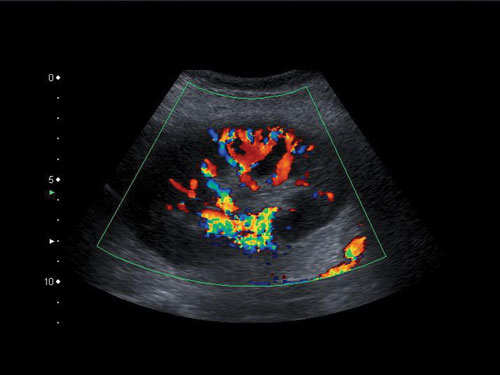
Transplantation is viewed as the gold standard, as it replicates normal renal physiology much more closely than either dialysis modality, see figure 1. For those suitable, transplantation offers improved quality and quantity of life compared with maintenance dialysis therapy.3-5 The survival benefits are more marked in younger recipients but even in high-risk groups with more limited life expectancy there is an advantage for those who receive transplants compared with those who do not.
Factors that need to be addressed when considering a patient’s suitability for transplantation are shown in box 1.
Live donor transplantation
Ideally patients with ESRD should have a pre-emptive transplant before they require dialysis. Transplant survival is negatively influenced by
the duration of dialysis before transplantation,8 with a detrimental impact evident from six months onwards. This reflects the accumulation of comorbidity with maintenance dialysis, which is a poor substitute for normal renal function.
The ongoing challenge however is the gap between the number of people waiting for a renal transplant and the availability of suitable kidneys. This has in part driven the increase in recent years in the number of live kidney donors, and consistently more than 1,000 people per year in the UK now donate a kidney.9
There are several advantages to live donor transplantation:
• It allows pre-emptive transplantation, which is rare if waiting for a deceased organ
• The surgery is an elective procedure permitting optimisation of the recipient’s health
• The quality of the kidney is almost invariably higher. Potential live donors undergo an intensive screening process which ensures that the transplanted kidney is disease-free, whereas deceased donors are often older, may have undetected kidney damage from comorbidities such as hypertension or diabetes, and are subjected to greater ischaemic injury.
The result is improved survival: 90% of recipients of a live donor transplant in the UK in 1999-2001 were alive ten years later, compared with 74% of deceased donor recipients.9
There are very few medical or surgical interventions that offer such a huge survival advantage as live donor transplantation.
Follow-up after transplantation
Transplant recipients, particularly those with a long duration of ESRD, carry a significant cardiovascular disease burden, and this is the most common cause of death.6 Malignancy and infection are the other major causes of mortality. Table 2, summarises key points in the management of renal transplant recipients.
An increasing number of GPs will now be looking after live kidney donors and important issues to consider are listed in table 3.
Dialysis
For most patients who are unsuitable for transplantation or do not receive a transplant pre-emptively, dialysis is a viable option. In terms of dialysis modality (HD versus PD), there is no conclusive evidence that either modality is superior, and unless there are obvious reasons why one therapy is unsuitable, patient preference is usually the deciding factor.
Peritoneal dialysis
The European Renal Best Practice Advisory Board suggests, but does not mandate, that PD should be presented as the logical first step.1 PD offers several advantages, and can be particularly effective when the patient still has some residual urine output. Patients with ESRD require lifelong RRT, so initial use of a PD catheter will preserve veins for future HD.
However, PD does have limitations. First, it does not provide the same level of fluid and toxin removal as HD, so larger patients and those with no urine output may be under-dialysed. Additionally, PD can only be used for a limited period (the peritoneum cannot withstand continuous exposure to the contents of dialysate fluid long term), and many patients will be forced to transfer to HD within two to three years as PD gradually loses effectiveness.10
Haemodialysis
The majority of those on maintenance dialysis in the UK are on hospital-based haemodialysis. A major limitation, over and above the consequences of ESRD, is the dependency on thrice weekly hospital attendance, the time this takes, and the interruption to work, family and social life.
Home-based dialysis
There are obvious benefits associated with home-based therapy, both for the patient and the healthcare system in terms of reduced costs. Clearly it requires substantial engagement by the patient in terms of taking responsibility for their own care; some individuals are not able to take on this role and others resent the intrusion of dialysis equipment into their home.
An assisted PD programme is now widely available, in which healthcare workers visit the patient’s home and help, for example in lifting weighty dialysate bags when the patient is unable to do so alone, thus allowing many more (particularly elderly patients) to manage home dialysis.
Home HD allows increased frequency of dialysis which is associated with improved outcomes11 and should be considered particularly for younger patients where transplantation is not an option.
Conservative care
A proportion of patients with ESRD have severe extra-renal comorbidity and hospital-based haemodialysis, (the only feasible option), would represent a huge burden for them and their carers. While HD may be life prolonging, the majority of the extra days gained will be spent in hospital.12 In these cases a conservative approach is adopted with symptom management as the focus with close collaboration required between nephrologists, GPs and the community palliative care team.
Primary care
Nephrologists rely heavily on the primary healthcare team for support at all stages of the patient journey. Initial involvement is with the management of progressive chronic kidney disease. In some cases this will prevent the patient reaching ESRD, in the at-risk patients it will involve identification and referral to a nephrologist in a timely manner.
Late referral reduces access to transplantation13 and can lead to higher mortality after starting dialysis.14
An increasing number of dialysis patients are now on home-based therapy so interaction with secondary care is appropriately more limited. Primary care physicians have much greater expertise in managing depression and sexual dysfunction, which are common in ESRD, and maintenance dialysis therapy can have a major impact on earning ability, family relationships and wellbeing.
For those who will be suitable for transplantation, optimum management of diabetes, smoking cessation, weight loss, and general fitness is crucial in facilitating this. Involvement with the patient and his/her family in advising on the advantages of live donor transplantation is also valuable. Patients may be unaware, for example, that a genetic relationship is not essential in order to donate a kidney.
The maximum survival benefit after transplantation is realised by those with optimum control of cardiovascular risk factors. Hence, the primary care team have a crucial role in ensuring the best possible outcomes for patients with ESRD.
REFERENCES
1 Covic A, Bammens B, Lobbedez T et al. Educating end-stage renal disease patients on dialysis modality selection: clinical advice from the European Renal Best Practice (ERBP) Advisory Board. NDT Plus 2010;3:225–33
2 Farrington K, Warwick G. Planning, initiation and withdrawal of RRT. Renal Association Fifth Edition of the Clinical Practice Guidelines 2009.www.renal.org/guidelines
3 Wolfe RA, Ashby VB, Milford EL et al. Comparison of mortality in all patients on dialysis, patients on dialysis awaiting transplantation and recipients of a first cadaveric transplant. N Eng J Med 1999;341:1725-30
4 Brown H, Forsythe JL. Impact of cadaveric renal transplantation on survival in patients listed for transplantation. J Am Soc Nephrol 2005;16:1859-65
5 Cameron JI, Whiteside C, Katz J et al. Differences in quality of life across renal replacement therapies: a meta-analytic comparison. Am J Kidney Dis 2000;35:629-37
6 Levey AS, Beto JA, Coronado BE. Controlling the epidemic of cardiovascular disease in chronic renal disease: What do we know? What do we need to learn? Where do we go from here? National Kidney Foundation Task Force on Cardiovascular Disease. Am J Kidney Dis 1998;32(5):853-906
7 Hill CJ, Fogarty DG. Changing trends in end-stage renal disease due to diabetes in the United Kingdom. J Ren Care 2012;38(1):12-22
8 Meier-Kriesche HU, Port FK, Ojo AO et al. Effect of waiting time on renal transplant outcome. Kidney Int 2000;58:1311-7
9 Organ donation and transplantation activity report 2012/13. NHS Blood and Transplant 2013. www.organdonation.nhs.uk/statistics/transplant_activity_report/current_activity_reporre/ukt/activity_report_2012_13.pdf
10 Chidambaram M, Bargman JM, Quinn RR et al. Patient and physician predictors of peritoneal dialysis technique failure: a population based retrospective cohort study. Perit Dial Int 2011;31:565-73
11 Kooistra MP, Vos J, Koomans HA, Vos PF. Daily home haemodialysis in The Netherlands: effects on metabolic control, haemodynamics, and quality of life. Nephrol Dial Transplant 1998;13(11):2853-60
12 McAdoo SP, Brown EA, Chesser AM et al. Measuring the quality of end of life management in patients with advanced kidney disease: results from the pan-Thames renal audit group. Nephrol Dial Transplant 2012;27:1548-54
13 Winkelmayer WC, Mehta J, Chandraker A et al: Predialysis nephrologist care and access to kidney transplantation in the United States. Am J Transplant 2007;7:872-9
14 Chan MR, Dall AT, Fletcher KE et al. Outcomes in patients with chronic kidney disease referred late to nephrologists: A meta-analysis. Am J Med 2007;120: 1063-70
ARTICLE IN PDF
 Download this article in PDF format
PRESET SEARCHES
Immediate CPD prompts
These handy templates* prompt immediate drafting of personal learning, reflection and planning. Save your record straight into your personal development folder on your device or Cloud storage system.
*Adobe reader needed for iPad