SEARCH

Miller S, Matharu M S. Migraine is underdiagnosed and undertreated. Practitioner 2014;258 (1774):19-24
Migraine is underdiagnosed and undertreated
23 Sep 2014
AUTHORS
Dr Sarah Miller MRCP, Clinical Research Fellow in Neurology
Dr Manjit S Matharu FRCP PhD, Senior Lecturer and Honorary Consultant Neurologist
Headache Group, Institute of Neurology and The National Hospital for Neurology and Neurosurgery, London, UK
Article
Migraine is a common neurovascular disorder characterised by attacks of head pain that are typically unilateral and often described as severe and throbbing in association with nausea and sensitivity to sensory input, i.e. light, sound and head movement.The headaches typically last 4-72 hours, up to 31% of migraineurs have aura on some occasions. Migraine is commonly episodic. With an increasing intake of painkillers, patients often complain of an escalation of migraine attacks or a transformation to a chronic daily background pain with exacerbations. Acute painkiller use, both prescription and OTC, should be enquired about in all cases and medication overuse headache suspected and managed if patients are taking any acute painkiller excessively. Migraineurs should be encouraged to have regular habits. Regular sleep, exercise, meals, work habits and relaxation will be rewarded by a reduction in headache frequency. NICE guidelines recommend adopting the stepped-down approach to management. They suggest a combination of a triptan, NSAID or paracetamol, and an anti-emetic taken as early as possible during the headache. The decision to commence a preventative agent should depend on a combination of attack frequency, duration and severity, as well as response to abortive therapy and patient preference.
Migraine is a common neurovascular disorder characterised by episodes of, often severe, headache occurring in association with nausea and sensitivity to sensory input, i.e. light, sound and head movement.
A WHO survey rates severe migraine, along with quadriplegia, psychosis and dementia, in a group as the most disabling chronic disorders. 1 This ranking suggests that, in the judgment of the WHO, a day with severe migraine is as disabling as a day with quadriplegia.
Yet, migraine is often underdiagnosed and undertreated, with more than two-thirds of patients either having never consulted a physician or having stopped doing so.2 This is mainly attributed to patients’ low expectations of effective treatment, poor experiences with older drugs, lack of empathy on the part of physicians (‘it’s only a headache’) or misdiagnosis. Many of these patients resort to the overuse of painkillers, which leads to the development of a new type of headache or worsening of the pre-existing headache described as medication overuse headache.3
In 2012, NICE published guidelines on the assessment, diagnosis and management of headache which includes migraine and medication overuse headache.4
Clinical features
Migraine is characterised by attacks of head pain that are typically unilateral and often described as severe and throbbing. It is associated with various combinations of nausea, vomiting and sensitivity to light, sound or head movement. The headaches typically last 4-72 hours.
Table 1 lists the International Classification for Headache Disorders (ICHD) 3-beta diagnostic criteria for migraine.3
Migraine can occur with or without aura. In a large population-based study 64% of migraineurs had pure migraine without aura, 18% had pure migraine with aura, and 13% had both. Thus up to 31% of migraineurs have aura on some occasions.5 Therefore, relying on the presence of aura to diagnose migraine will miss most cases. Aura symptoms are usually visual (99%), together with sensory (31%), speech (18%) or motor (6%).5
Migraine aura symptoms are typically a combination of positive and negative neurological phenomena and progress over minutes or different symptoms succeed one another. They usually occur at alternating body sites in different attacks, for example in one attack aura symptoms may include facial numbness and in another visual disturbance and tingling sensations in the upper limb. The symptoms mostly precede the headache and usually last for 5-60 minutes.
Migraine triggers can be useful to identify in the assessment of migraine but a diagnosis should not be based on the presence or absence of these.
A list of typical triggers is shown in table 2.
Migraine is commonly episodic, with headaches occurring on fewer than 15 days per month. Chronic migraine is diagnosed when patients have a headache on 15 or more days per month for more than three months with the features of migraine present for at least eight days per month.3 These criteria recognise that many migraineurs, besides suffering from the typical migraine episodes, frequently suffer from headaches that fulfil criteria for tension-type headache, which respond to migraine treatments thus reflecting an underlying migrainous biology.
The phenotype of the headache may change with time, especially with co-existent overuse of migraine abortive agents. With an increasing intake of painkillers, patients often complain of an escalation of migraine attacks or a transformation to a chronic daily background pain with exacerbations.
Medication overuse headache is diagnosed when headache occurs on 15 or more days per month as a consequence of regular overuse of acute or abortive headache medication (triptans, ergots, opioids and combination analgesics) on ten or more days per month, or simple analgesics and NSAIDs on 15 or more days per month for more than three months. It usually, but not invariably, resolves after the overuse is stopped. Acute painkiller use, both prescription and over-the-counter medications, should be enquired about in all cases and medication overuse headache should be suspected and managed if patients are taking any acute painkiller excessively.
Epidemiology
Migraine is common worldwide and is more frequent in women. The one-year prevalence figures for migraine are around 12% (6% males, 15% females) with a lifetime prevalence of 15-18%.6 Chronic migraine affects around 2% of the general population and accounts for 8% of all migraine cases.7
A number of disorders show increased comorbidity with migraine including epilepsy, major affective and anxiety disorders, and ischaemic stroke (in young female migraineurs).8
Pathophysiology
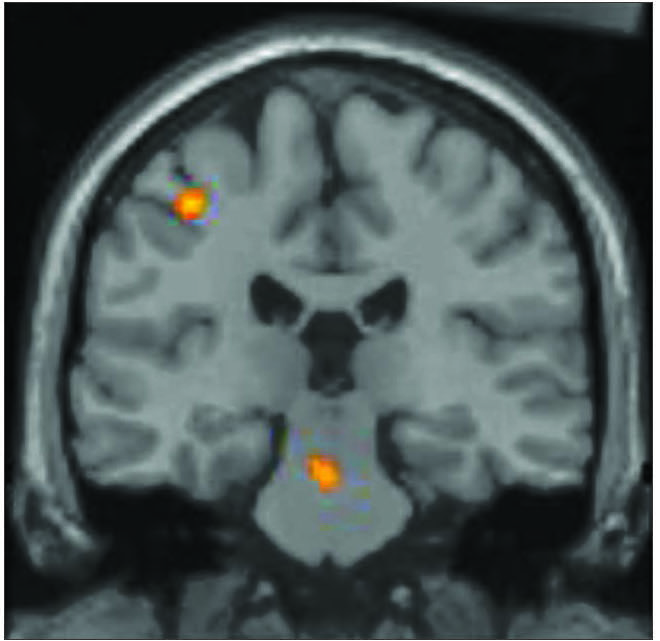
The pain of primary headache syndromes, such as migraine, is now relatively well understood. The pain-producing innervation of the cranium projects through branches of the trigeminal and upper cervical nerves to the trigeminocervical complex from whence nociceptive pathways project to higher centres. Functional neuroimaging studies point to the specific involvement of the brain stem regions, in particular the dorsal mid brain and dorsolateral pons.9, 10
Migraine is a neurovascular process, in which neural events result in activation of blood vessels, which in turn results in pain and further nerve activation. Migraine is not caused by a primary vascular event.
Migraine is often known to run in families and multiple genetic factors are believed to be involved. However, migraine is a multifactorial disorder: genetic factors seem to set the individual threshold, which is then modulated by endogenous and exogenous factors (triggers).
Diagnosis
There is no diagnostic test for migraine and therefore a good clinical history is vital. Headache diaries are often useful in clarifying the clinical picture.
In patients with a typical history of migraine and a normal neurological examination, ancillary investigations are not warranted.4
A series of 1,876 patients undergoing MRI or CT scans in a headache clinic, were found to have an incidental abnormality in 0.75% of cases. Only 1% of these findings were considered significant and in 99% of these patients, the neurological examination was abnormal.11
The same series found significant abnormalities in only 0.4% of scans carried out for a clear diagnosis of migraine. Hence, significant abnormalities are uncommon in those with migraine with no red flag features (described below) and a normal examination.
Studies have shown that neuroimaging does not provide long-term reassurance and can lead to the discovery of incidental abnormalities which often need no treatment but lead to increased levels of anxiety.12
A wide range of cerebral disorders including infectious, vascular and neoplastic intracranial lesions can cause migraine-like symptoms.
These patients can be identified by red flag features, see table 3. The current NICE guidelines recommend that only patients with headaches that have these features should be referred for further investigations.4
Migraine is frequently misdiagnosed as tension-type headache. The essential point is that migraine is a symptom complex that manifests as discrete episodes of headache with associated features. This usefully distinguishes migraine from tension-type headache, which is characterised by the lack of associated features.
A safe general rule is that if you are trying to decide between migraine and tension-type headache and the patient has any suggestion of the associated features then little is lost by diagnosing migraine and treating accordingly.
Management
The NICE headache guidelines outline the management of migraine and medication overuse headache.4
The management of migraine includes educating the patient about the disorder, offering advice on general measures, initiating effective abortive treatment and, when necessary, preventative treatment.
Patient education
An essential step in the management of migraine is to explain to the patient that migraine:
• Is an inherited tendency to headache and cannot be cured
• Can be modified and controlled by lifestyle adjustment and the use of medications
• Is neither life threatening nor associated with serious illness
(except in women who have migraine with aura and are on oestrogenic oral contraceptives, which can lead to an increased risk for stroke) but can make life a misery
• Can be effectively managed with time
General lifestyle measures
The aim is to help the patient identify precipitating or exacerbating factors and to encourage modification of their lifestyle where appropriate, see table 2. It is important to explain that the tendency to suffer an attack probably varies because of some poorly understood cyclical changes in the brain. This is why avoiding triggers on some days will prevent attacks while the same triggers on other days produce no headache.
Rather than making a long list of things to avoid, patients should be encouraged to have regular habits. Regular sleep, exercise, meals, work habits and relaxation will be rewarded by a reduction in headache frequency. There is no evidence from controlled trials that specific diets ameliorate migraine.
Treatments for acute attacks
Treatment for acute attacks can be divided into disease non-specific and disease-specific treatments, see table 4, above. There are three options, namely stepped-up care, stepped-down care and stratified care.
In stepped-up care the patient is started on the simplest treatment and increasingly efficacious medications are prescribed until a satisfactory response is obtained.
It is usually suggested that failure to respond to an abortive treatment on three occasions should be the minimum criterion for progressing to a more efficacious agent. Unfortunately, it can take a long time to identify an effective treatment and in the meantime patients often lose confidence in the treating clinician.
Stepped-down care involves starting with the most effective treatment or combination of treatments and subsequently reducing the dose or number of abortive treatments taken to allow effective treatment of the headache with the minimum amount and number of treatments.
In stratified care, the physician initiates treatment based on the likelihood of response.
The NICE guidelines recommend adopting the stepped-down approach as this is both highly clinically and cost effective. NICE suggests a combination of a triptan, NSAID or paracetamol, and an anti-emetic taken as soon as possible after the start of the headache.4Table 5 summarises how migraine treatments can be further modified according to the clinical situation.
It is imperative to inform the patient that medications for an acute attack, if taken in excess, have a propensity to aggravate headache frequency and induce medication overuse headache. Opiate-based agents and ergotamines are particularly liable to induce medication overuse headaches and should be avoided whenever possible.
Preventative treatments
The decision to start a patient on a preventative agent should depend on a combination of attack frequency, duration and severity, as well as response to abortive therapy and patient preference. Initiation of preventative treatment is warranted in the following circumstances:
• If headaches occur on five or more days per month prevention should definitely be considered. If headaches occur on 3-4 days per month, preventative treatment may also be needed
• Contraindication to, or ineffectiveness of, abortive treatment
• Escalating or excessive use of abortive treatments (on more than ten days per month)
The options for preventative treatment are shown in table 6. The choice of preventative treatment depends on the individual drug's efficacy and side-effect profile, the patient's preferences and the presence of any comorbid or coexistent conditions. Some patients want to minimise their attack frequency and are willing to accept significant side effects to achieve this goal while others would rather try an agent with minimal side effects, even if it only has a limited benefit.
Comorbid and coexistent diseases have important implications for treatment. The presence of a second illness provides therapeutic opportunities but also imposes certain therapeutic limitations. When migraine and depression occur together, tricyclic antidepressants may be effective for both conditions but can lower seizure threshold and so should be used with caution in epileptic patients. For the patient with migraine and epilepsy the use of topiramate and sodium valproate can be considered. Beta-blockers should be used with caution in the depressed migraineur and are contraindicated in patients with asthma.
All oral preventative drugs should be started at a low dose and increased slowly until therapeutic effects develop, side effects intervene or the ceiling dose of the agent is reached. The patient should be maintained on the optimum dose for an adequate period, generally three months, as there can be a considerable delay before the emergence of the beneficial effects of these drugs. If the headaches are well controlled, a drug holiday may be undertaken following a slow taper programme. Many patients experience continued relief after discontinuing the medication while others may only need a reduced dose.
NICE recommends the use of topiramate and propranolol as first-line agents, see table 6. Although gabapentin is mentioned in NICE guidelines, there is now evidence that it is ineffective13,14 and so it should not be used. Other oral preventative treatments with limited evidence for benefit are outlined in table 6.
Botulinum toxin type A has been recommended by NICE for the treatment of chronic migraine.15 Guidelines clearly state that to be eligible, patients must have chronic migraine, have had adequate trials of three preventatives and not be overusing medication for acute attacks. Local provision of this service is becoming increasingly available.
Acupuncture is also recommended by NICE if oral treatments fail.4 This should be performed by a registered practitioner and patients should receive ten sessions over five to eight weeks.
Management of medication overuse
It is important to ensure that a trial of a preventative agent is undertaken while the patient is not overusing abortive medications. Clinical experience has shown that some patients may fail a preventative while overusing abortive medication but later find it effective when the overused drug is withdrawn.
The vast majority can undergo successful withdrawal in the community with more than 40% no longer having chronic headache following withdrawal.16
Although some patients with frequent acute medication use simply improve when the acute medication is reduced, which is a good reason to make this the first step, many do not and will need preventative management preferably after the management of medication (acute treatments) overuse.
NICE recommends an abrupt cessation of acute treatments for one month followed by a limitation of the acute treatment to 10 or 15 days a month, depending on the agent prescribed.4 Patients should be warned that headaches will worsen for one to two weeks before settling. Patients should be reviewed one to two months post withdrawal to assess their need for further treatments.
Referral
Patients with episodic migraine can often be successfully treated in primary care. However, the following cases warrant onward referral:4
• Red flag features (see table 3)
• Diagnostic uncertainty
• Chronic migraine
• Medication overuse with strong opioids or with multiple unsuccessful withdrawal attempts
• Failure to respond to adequate trials of at least three first-line medications
• Atypical aura – profound motor weakness, double vision, visual symptoms only affecting one eye, poor balance or decreased level of consciousness
• Pregnant patients with severe migraine
• Consideration of treatment unavailable in primary care:
botulinum toxin, acupuncture
Conclusion
Migraine is a condition that is frequently encountered in primary and secondary care, but which as a whole is underdiagnosed and undertreated.
Many patients believing little can be done for their condition resort to inappropriate use of painkillers to cope. However, there is now a wide variety of treatments available that can dramatically improve the outcome for this patient group.
REFERENCES
References
1 Menken M, Munsat TL, Toole JF. The global burden of disease study - implications for neurology. Arch Neurol 2000;57:418-20
2 Lipton RB, Goadsby PJ, Sawyer JPC et al. Migraine: Diagnosis and Assessment of Disability. Rev Contemp Pharmacother 2000;11:63-73
3 Headache Classification Subcommittee of The International Headache Society. The International Classification of Headache Disorders 3rd edition (beta version). Cephalalgia 2013;33(9):629-808
4 National Institute for Health and Clinical Excellence. CG150. Diagnosis and management of headaches in young people and adults. NICE. London. 2012 www.nice.org.uk/cg150
5 Russell MB, Olesen J. A nosographic analysis of the migraine aura in a general population. Brain 1996;
119(Pt 2):355-61
6 Stewart WF, Shechter A, Rasmussen BK. Migraine prevalence. A review of population-based studies. Neurology 1994;44(6 Suppl 4):S17-23
7 Buse DC, Manack AN, Fanning KM et al. Chronic migraine prevalence, disability, and sociodemographic factors: results from the American Migraine Prevalence and Prevention Study. Headache 2012;52(10):1456-70
8 Lipton RB, Stewart WF. Epidemiology and comorbidity of migraine. In: Goadsby PJ, Silberstein SD, Eds. Headache. pp 75-97. Butterworth-Heinemann. Boston. 1997
9 Bahra A, Matharu MS, Buchel C et al. Brainstem activation specific to migraine headache. Lancet 2001;357(9261):1016-7
10 Matharu MS, Bartsch T, Ward N et al. Central neuromodulation in chronic migraine patients with suboccipital stimulators: a PET study. Brain 2004;127
(Pt 1):220-30
11 Sempere AP, Porta-Etessam J, Medrano V et al. Neuroimaging in the evaluation of patients with non-acute headache. Cephalalgia 2005;25(1):30-5
12 Howard L, Wessely S, Leese M et al. Are investigations anxiolytic or anxiogenic? A randomised controlled trial of neuroimaging to provide reassurance in chronic daily headache. J Neurol Neurosurg Psychiatry 2005;76(11): 1558-64
13 Silberstein S, Goode-Sellers S, Twomey C et al. Randomized, double-blind, placebo-controlled, phase II trial of gabapentin enacarbil for migraine prophylaxis. Cephalalgia 2013;33(2):101-11
14 Linde M, Mulleners WM, Chronicle EP, McCrory DC. Gabapentin or pregabalin for the prophylaxis of episodic migraine in adults. Cochrane Database Syst Rev 2013;6:CD010609
15 National Institute for Health and Clinical Excellence. TA260. Botulinum toxin type A for the prevention of headaches in adults with chronic migraine. NICE. London. 2012. www.nice.org.uk/ta260
16 Russell MB, Lundqvist C. Prevention and management of medication overuse headache. Curr Opin Neurol 2012;25(3):290-5
 Download this article in PDF format