SEARCH

Practitioner 2011; 255 (1743):19-22
GPs have key role in managing motor neurone disease
21 Sep 2011
Article
Motor neurone disease (MND) is a rapidly progressive neurodegenerative condition, involving motor nerves. It affects people of all ages, but is more common with increasing age (especially over 50 years) and men are affected twice as often as women.
The causes remain unknown, although a small proportion (around 5%) of cases have a genetic basis. Even where a genetic basis has been identified, the disease mechanism has not been clarified.1 The prevalence is relatively low, as individuals usually live for only a few years with MND. There are around 1,200 new diagnoses a year, and 4,000 people affected at any one time in the UK. It will probably become more frequent with an ageing population, and the prevention of death from vascular and other causes.
Presentation
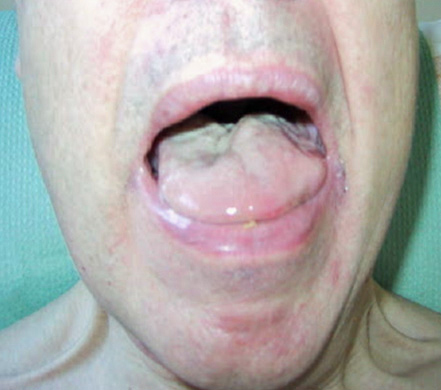
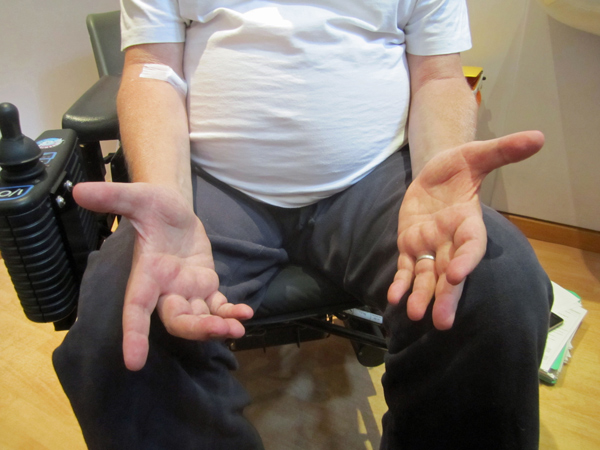
The clinical presentation is based on the pathological features. The key feature of MND is that it affects both upper and lower motor neurones, with variable contributions. In the UK, MND is synonymous with amyotrophic lateral sclerosis. Subtypes include progressive muscular atrophy (lower motor neurone), primary lateral sclerosis (upper motor neurone), and progressive bulbar palsy. These are now recognised to be different clinical presentations of the same condition. Amyotrophy refers to the lower motor neurone muscle wasting, and lateral sclerosis to the involvement of the corticospinal tract, causing upper motor neurone features, such as stiffness or spasticity of the arms and legs.
The nerve involvement in MND usually has a focal onset, is asymmetrical, but tends to spread to adjacent regions of the body.
The initial presentation may cause confusion and delay in diagnosis, as involvement of a single nerve region may have many potential diagnoses.
If the affected region is in the legs, a common presenting feature is tripping, falls or foot drop. If it is in the arms there may be difficulty with fine tasks such as fastening buttons, or raising an arm, and if the cranial nerves are affected there may be slurring of speech, or difficulty swallowing. Patients may present rarely with breathlessness due to involvement of the chest muscles or diaphragm.
All these presentations have other potential causes. These include focal neuropathies such as carpal tunnel syndrome, radiculopathies related to cervical spondylosis, and pseudobulbar palsy related to cerebrovascular disease. Examples of the differential diagnosis of MND are listed in table 1, opposite. Many of these conditions may be treatable or more benign.
Examination
Key to the diagnosis is evidence of progression, and this may lead to some delay in considering and also confirming the diagnosis. Progression can be ascertained from the history, and by serial examination.
When examining the patient, evidence of more widespread neuromuscular involvement should be looked for. The patient may say they have weakness of the ankle, but examination may show more general involvement of that leg, and possibly also the arms and bulbar regions.
In a patient with foot drop, and fasciculation of the tongue, MND would be a likely diagnosis.
Failure to appreciate the diagnosis usually arises from incomplete examination. In a patient with suspected MND, examination with all clothes, other than underwear, removed may show clear fasciculations or muscle twitches more generally in the arms, legs and trunk.
Surprisingly, many patients are not aware of the fasciculations until they are pointed out to them. Also some patients seem to withhold the wider involvement at an early stage.
It is important to realise that fasciculation per se is not diagnostic of MND. The most common cause of fasciculation, especially in the calves, in an otherwise healthy young person, is benign fasciculation.
Upper motor neurone involvement may be readily determined by examining the reflexes. Brisk reflexes, in the arms, legs or jaw, in the context of features of lower motor neurone denervation are highly suggestive of MND, as are other features of spasticity. Brisk reflexes may be generalised or focal. In particular, brisk reflexes in a wasted limb with fasciculation is highly suggestive.
This is probably as far as the GP may be expected, or be able, to proceed in making a diagnosis of MND. In the earliest stages this is a very difficult diagnosis to make. In the final stages the clinical picture is definitive. Suspicion of MND should lead to referral for a neurology opinion.
Confirming diagnosis
The neurologist may have similar difficulty in making a diagnosis in the earliest stages. However, he or she may be able to reassure the patient that this is not MND, or arrange further investigation. Depending on the presentation, the most useful investigation is likely to be EMG with nerve conduction studies, and probably MRI scan of relevant areas. Blood tests are arranged to screen for any other causative condition based on the potential differential diagnosis (see table 1, opposite), and include those for neuropathy (B12, glucose, ESR) and myopathy (creatine kinase).
In making a diagnosis of MND, which remains clinical, the neurologist will be anxious to exclude any other potential treatable condition, but also not to make a premature diagnosis of a fatal condition. The uncertainty and delay can lead to patient anxiety, and the GP can be helpful in supporting the patient through this period of uncertainty. If possible, it is preferable to maintain confidence in the neurologist, and resist the temptation to refer for a surgical opinion before a diagnosis has been made.
Another frequent cause of confusion arises from EMG reports which may suggest a diagnosis of MND. The diagnosis cannot be made by EMG alone, and if this diagnosis is raised in a report, the patient should be referred to a neurologist for full assessment.
Management
There remains no treatment that will reverse, or halt, the progression of the disease. There is, however, a range of medications and interventions which may treat symptoms, and give significant benefit to the patient.2
Disease modifying treatment
There is also a disease modifying drug, riluzole, which is licensed to extend the life of patients with MND.3 NICE guidance recommends that riluzole be used to treat patients suffering from the amyotrophic lateral sclerosis form of MND. It also recommends that a specialist in the management of MND should start treatment with riluzole, and specialists and GPs may supervise the treatment under locally agreed shared care protocols.4
In practice, riluzole is usually well tolerated. Liver function tests and full blood count are recommended monthly for the first three months. It is very unusual to have problems with the medication, which is a small tablet taken twice daily. The proposed mechanism of action relates to reduction of glutamate, which is neurotoxic.
As this is a disease modifying therapy, unfortunately any benefit in slowing the progression of the disease will not be apparent to the patient or physician, and we are reliant on the clinical trial evidence.
Non-invasive ventilation
NICE has also provided guidance on non-invasive ventilation in the management of MND.5 This recognises that respiratory muscle weakness resulting in respiratory impairment is a major feature of MND, and a strong predictor of quality of life and survival.
Non-invasive ventilation can improve the symptoms and signs related to respiratory impairment and hence survival. Nocturnal hypoventilation leads to disturbed sleep, fatigue and early morning headache, all of which may be eased with respiratory support at night. The guidelines emphasise the importance of patient-centred care, the involvement of the multidisciplinary team, and providing information and support.
Enteral tube feeding
The Cochrane Collaboration Neuromuscular Group has published a range of evidence based reviews of treatment for MND.2 Enteral tube feeding with gastrostomy6 is commonly used to maintain nutrition and hydration and also to avoid aspiration. Randomised trials have not been performed, and the observational evidence is that the benefit is clear, making a randomised trial unethical.
Alleviating symptoms
Other symptoms requiring treatment include pain, which should be treated as neuromuscular or arthritic pain. Spasticity is a common feature and may be treated with medication such as baclofen or tizanidine. Cramps may respond to quinine, diazepam, carbamazepine and phenytoin. Fasciculations are often tolerated, but if troublesome similar medication may sometimes be helpful.
Depression, and other cognitive problems, in particular a frontal lobe dementia, may be features of MND, and treatment with an SSRI may be of benefit. This may also be particularly helpful in managing the inappropriate emotions – laughing or crying – which are a manifestation of frontal lobe involvement.
Excess saliva, or difficulty clearing saliva, is a frequent and distressing symptom. This may be difficult to treat, and although a randomised trial evidence base is largely absent, medication such as oral atropine, amitriptyline, glycopyrronium, or transdermal hyoscine are used. Many medications can be given through the gastrostomy tube. Suction devices may also be used. Botulinum toxin injection, or irradiation, of the parotid gland may reduce saliva production.
Unproven treatments
Many patients take vitamins C and E. There is no evidence of benefit, but these vitamins are taken on the basis of reducing oxidative stress, are safe, and inexpensive.7 It can be difficult when more expensive treatments, without proven benefit, or potential harm, are suggested by the patient.
As with other rapidly progressive incurable conditions a range of treatments may be promoted, especially on the internet. There remains no evidence of benefit for a wide range of proposed treatments including stem cell therapy.
Some patients may participate in clinical trials of new medication, but it is important for them to realise that these are scientific studies, usually including placebo, and that they will not be receiving a proven treatment.
Supporting patients and their families
A number of guidelines have been produced on the management of MND.8-11
When the diagnosis is made, the GP has a potentially pivotal role in supporting the patient, family, and carers. Initially there may be anger and uncertainty regarding the diagnosis, and the serious implications. Survival is usually only three to five years from diagnosis, but may be longer, or shorter, and difficult to predict.
There are then progressive stages of disability, and a multidisciplinary approach is needed.8-11 Referral to local supportive and palliative care networks is key to successful local management, but surprisingly sometimes difficult. The neurologist may refer to a neurological centre, specialised in the management of patients with MND. This may involve a lot of travelling, and there are many models of management dependent on locality, available facilities, and patient preference.
As the disability progresses, the patient will be unable to attend hospital clinics, and be dependent on the GP and other local services and support. There is increasing use of patient pathways, to optimise interventions such as PEG (percutaneous endoscopic gastrostomy) for nutrition, and non-invasive ventilation for respiratory problems.
Other teams involved will include physiotherapy, occupational therapy, speech therapy, respiratory support, palliative care, and psychology. The GP may be a key to this multidisciplinary team. Often the team is already established, reviewing patients on a regular basis, with the GP providing care and support to the patient and family as needed.
There is increasing use of end of life planning and advance directives, which may help in maximising patient and family satisfaction. The Motor Neurone Disease Association has a network of regional care advisers, and visitors, and can provide support and information for the GP.
For many GPs this may be the first patient they have managed with this condition, and it can involve considerable effort and take an emotional toll.
MND is a devastating physical condition, and can have equally devastating effects on emotions, also affecting family, friends, and members of the multidisciplinary team. Some patients experience difficulties accessing resources, which the GP may help in mobilising. There may also be problems in understanding and communication, where the GP may play a key role.
REFERENCES
1 Orrell RW. Understanding the causes of amyotrophic lateral sclerosis. N Engl J Med 2007;357:822-823
2 Orrell RW. Motor Neuron Disease: systematic reviews of treatment for ALS and SMA. Br Med Bull 2010;93:145-159
3 Miller RG, Mitchell JD, Lyon M, Moore DH. Riluzole for amyotrophic lateral sclerosis (ALS)/motor neuron disease (MND). Cochrane Database Syst Rev 2007, (1):CD001447
4 National Institute for Clinical Excellence. TA20. Motor neurone disease - riluzole. NICE. London. 2001
5 National Institute for Health and Clinical Excellence. CG105. The use of non-invasive ventilation in the management of motor neurone disease. NICE. London. 2010
6 Langmore SE, Kasarskis EJ, Manca ML, Olney RK. Enteral tube feeding for amyotrophic lateral sclerosis/motor neuron disease. Cochrane Database Syst Rev 2006;(4):CD004030
7 Orrell RW, Lane RJ, Ross M. Antioxidant treatment for amyotrophic lateral sclerosis/motor neuron disease. Cochrane Database Syst Rev 2007;(1):CD002829
8 Andersen PM, Borasio GD, Dengler R et al. EFNS task force on management of amyotrophic lateral sclerosis: guidelines for diagnosing and clinical care of patients and relatives. Eur J Neurol 2005;12:921-938
9 Andersen PM, Borasio GD, Dengler R et al. Good practice in the management of amyotrophic lateral sclerosis: clinical guidelines. An evidence-based review with good practice points. EALSC Working Group. Amyotroph Lat Scler 2007;8:195-213
10 Miller RG, Jackson CE, Kasarskis EJ et al. Practice parameter update: The care of the patient with amyotrophic lateral sclerosis: drug, nutritional, and respiratory therapies (an evidence-based review): report of the Quality Standards Subcommittee of the American Academy of Neurology. Neurology 2009;73:1218-1226
11 Miller RG, Jackson CE, Kasarskis EJ et al. Practice parameter update: The care of the patient with amyotrophic lateral sclerosis: multidisciplinary care, symptom management, and cognitive/behavioural impairment: report of the Quality Standards Subcommittee of the American Academy of Neurology. Neurology 2009;73:1227-1233
USEFUL INFORMATION
Motor Neurone Disease Association
Tel: 01604 250505
www.mndassociation.org
 Download this article in PDF format