SEARCH

PRACTITIONER 2009;253(1722):23-27
Managing dyspepsia in primary care
01 Oct 2009
AUTHORS
Dr Andrew Summers
MBBS MRCGP DRCOG
GP, Yeovil
Associate specialist in endoscopy
Dr Zubair Khan
MBBS FRCP
Consultant gastroenterologist,
Yeovil Foundation Hospital NHS Trust
Article
In general practice patients frequently present with pain or discomfort associated with eating. Dyspepsia can be defined as pain or discomfort centred in the upper abdomen which may be accompanied by nausea, vomiting, early satiety, bloating, pain or heartburn.
Lifestyle factors such as alcohol, smoking, diet and being overweight may contribute to the development of dyspepsia. The most common causes of dyspepsia are listed below, in decreasing order of prevalence:
• non-ulcer dyspepsia (functional dyspepsia)
• reflux dyspepsia with or without hiatus hernia (reflux may be considered a separate entity)
• drug-induced e.g. by NSAIDs
• gastritis and duodenitis (may be drug induced)
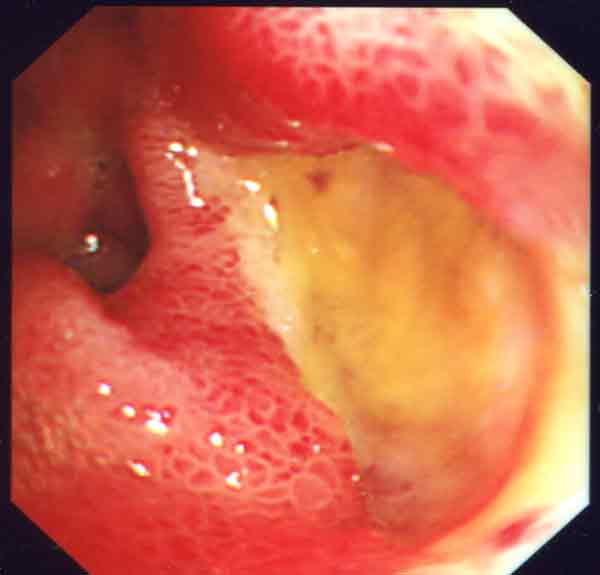
• peptic ulcer disease
• malignant disease.
The NICE guideline1 recommends immediate referral for patients with dyspepsia and significant acute GI bleeding and urgent specialist referral for investigation if any of the following alarm symptoms are present:
• progressive difficulty swallowing
• chronic GI bleeding
• unintentional weight loss
• persistent vomiting
• abdominal mass
• iron deficiency anaemia
• suspicious findings on barium meal.
These features are suggestive of an increased likelihood of serious disease but are not at all specific.2
Patients aged >55 with unexplained and persistent dyspepsia, despite H.pylori testing and acid suppression therapy, should also be considered for endoscopy, according to NICE, as should those with previous gastric ulcer or surgery, continuing need for NSAID treatment, raised risk of gastric cancer or anxiety about cancer.
Treatment options for dyspepsia are discussed in box 1, attached.
Uninvestigated dyspepsia
Test and treat
NICE recommends that patients with uninvestigated dyspepsia should be managed by empirical treatment with a PPI or testing for and treating H.pylori if present. Testing by urea breath test, stool antigen test, or locally validated lab-based serology is suggested.
H.pylori eradication is usually given as triple therapy for seven days involving a PPI, clarithromycin and either amoxicillin or metronidazole but there has been interest in the use of sequential therapy using a PPI and amoxicillin twice daily for five days then twice daily triple therapy with a PPI, clarithromycin and tinidazole for a further five days.3 An eradication rate of more than 80% can be achieved using triple therapy for seven days usually involving a PPI, and selection from metronidazole, amoxicillin or clarithromycin.
Drug-induced dyspepsia
It is important to take a thorough history and to enquire about any medication the patient is taking.
Drugs that are common culprits for dyspepsia include:
• NSAIDs
• Calcium antagonists
• Bisphosphonates
• Steroids
• Theophyllines
• Nitrates
NSAIDs can also cause GI bleeding. Absence of dyspepsia in patients taking NSAIDs does not indicate a reduced risk of bleeding. There is little correlation between upper GI symptoms and subsequent bleeding in patients taking these drugs.
Peptic ulcer disease
Generally uncomplicated duodenal ulcers do not need to be re-examined but gastric ulcers may be associated with malignant lesions. It is common practice to re-examine patients by endoscopy 6-8 weeks after diagnosis4 but the evidence behind this policy is mixed and the diagnosis of malignant gastric ulcers depends on the endoscopist having an index of suspicion and taking appropriate biopsies even from small ulcers.
Peptic ulcers fall into three categories:
• H. pylori associated ulcers
• Drug-induced ulcers (particularly NSAIDs)
• Ulcers in H. pylori-negative patients not taking causative medication
H. pylori is associated with both gastric and duodenal ulcer disease but it is in the duodenum where the closest relationship exists. NICE recommends that patients with peptic ulcer disease should have H.pylori eradication where appropriate. It is not usually necessary to check for successful eradication unless symptoms persist for more than four weeks after treatment. It may also be wise to check eradication after ulcer disease with complications such as bleeding.
NSAIDs should be stopped where applicable and PPIs or H2RAs offered for 2 months. The use of more specific COX II inhibitors does result in fewer ulcers.5 NSAIDs in the presence of H.pylori increase the risk of ulceration still further, the two acting synergistically. Misoprostol reduces the risk of ulcer complications when given at 800 micrograms daily. When patients continue to need NSAIDs who have a history of bleeding from peptic ulceration H.pylori should be eradicated if present and gastroprotection given.
Acid suppression is needed in the treatment of ulcers not associated with H.pylori or NSAIDs.
The eradication of H. pylori is beneficial in terms of healing ulcers when used in conjunction with effective acid suppression but has a greater impact on the risk of ulcer recurrence.6 Following ulcer healing and eradication of H. pylori, the consensus is that maintenance treatment should continue when there have been complications such as perforation or bleeding.
GORD and peptic oesophagitis
In any 6-12 month period, 20-40% of healthy people, more commonly men, will experience symptoms of heartburn.7 GPs are faced with a plethora of symptoms that could be due to reflux of acid into the oesophagus and higher.
Refluxate may also include bile and pepsin. Medication to suppress acid production may leave a significant part of the problem untreated if it is not actually the acid component that is causing the problem. Medications, particularly NSAIDs, bisphosphonates and doxycycline, may cause oesophagitis.
Patients generally describe heartburn as a sensation of unpleasant burning on stooping or lying down. Some individuals may not identify their symptoms as heartburn and the clinician may get a clearer idea of what is going on if they define heartburn as ‘a burning feeling rising from the stomach or lower chest up towards the neck’. Around 75% of patients in whom this description fits their symptoms will have gastro-oesophageal reflux.8 Many patients will already have tried antacid medication with some degree of relief.
Excessive salivation and pain on swallowing may be described if there is severe oesophagitis. Patients may not realise that reflux may cause less typical symptoms such as chest pain unrelated to exercise, chronic cough and hoarseness.
A population-based study has shown an association between reflux symptoms and obesity, smoking and frequent consumption of spirits, sweets and white bread.9
Oesophageal reflux can progress to more serious disease such as erosive oesophagitis, stricture or Barrett’s oesophagus. Up to 22% of patients with mild erosive oesophagitis develop more severe inflammation annually and up to 13% may go on to have Barrett’s oesophagus.10
Poor diet, alcohol, caffeine, stress and smoking can all exacerbate symptoms of dyspepsia.11 It is good practice to encourage patients to moderate those factors which may be aggravating their symptoms.
In patients with reflux there has been debate as to whether by causing a chronic gastritis the infection reduced acid production and was therefore protective. The current thinking is that neither H.pylori infection nor H.pylori eradication causes GORD.
The NICE guidance does not suggest early endoscopy for most patients with symptoms of benign reflux but there is little correlation between symptoms and severity of endoscopic findings.12
Less than half of patients with reflux disease have diagnostic endoscopic findings. The examination should be performed if there are alarm symptoms such as dysphagia or when symptoms seem to be refractory to treatment. Endoscopic surveillance of reflux oesophagitis without change to Barrett’s oesophagus is not usually necessary.
Most patients with reflux have no oesophagitis on gastroscopy. They have non-erosive reflux disease (NERD) and their response to acid suppression is often poor. When there is erosive oesophagitis the response to PPIs will probably be much better.
NICE recommends that patients with GORD should be offered full dose PPI for 1-2 months, if symptoms then recur a PPI may be continued at the lowest dose needed to control symptoms with a limited number of prescriptions.
Usually maintenance therapy is necessary because symptoms frequently relapse on withdrawal of medication. Long-term use of PPIs has been shown to be safe and the dose may need to be increased over time.13 Patients with complicated reflux disease such as stricture or ulceration should be kept on full dosage PPI from the start.
Erosive gastro-oesophageal reflux
The debate around H.pylori has been mentioned earlier, generally eradication of infection is recommended. Most anti-acid therapy will alleviate symptoms of reflux to some degree but there is a hierarchy of effectiveness:8
• double dose PPI
• full dose PPI
• half dose PPI
• standard dose H2RA
• antacids.
PPIs achieve 80% healing and symptom relief in patients with erosive oesophagitis but the full benefit may take up to eight weeks to achieve. There is no evidence that more potent drugs do better than 80%.14,15
Non-erosive reflux disease (NERD)
Patients with erosive oesophagitis may respond well to acid suppression but those patients with reflux who do not respond may well have NERD. It may be the volume of reflux or the non-acid components causing the problem.
Anti-reflux surgery, generally laparoscopic fundoplication, is as effective as PPI therapy over five years but some patients will need to continue antacid therapy in some form. Preoperative predictors of a successful outcome include: abnormal findings at pH monitoring, typical symptomatology and a good response to acid suppression therapy. Hence failed medical treatment is not an indication for surgery.
Functional dyspepsia
When patients are investigated for typical dyspepsia symptoms but no cause is found even after endoscopy, the condition is termed functional dyspepsia (non-ulcer dyspepsia) see table 1, attached. This is a diagnosis by exclusion and the identification of H.pylori does not indicate the cause. NICE recommends that these patients should have H.pylori eradicated, when present, followed by symptomatic treatment and monitoring. Retesting for H.pylori after eradication is not necessary.
Functional dyspepsia is more common than dyspepsia caused by organic illness and is the likely diagnosis in younger patients where there are no alarm features or reflux.
Studies have been looking at possible pathophysiological mechanisms. Psychosocial and genetic factors and altered brain-gut interactions may also be involved.16
There may be an association between functional dyspepsia and irritable bowel syndrome17 but psychological therapies have not yet been shown as effective.
Medication is often tried such as PPIs and pro-kinetic drugs but in the absence of good evidence of efficacy, treatment should probably be short term and as required. Prognosis is hard to predict but most patients will continue to have symptoms for many years.
Annual review
NICE recommends that patients receiving long-term treatment for dyspepsia should have an annual review with encouragement to try stepping down or stopping treatment. Return to antacid or alginate treatment may be appropriate.
REFERENCES
1 NICE Clinical guideline 17 Dyspepsia - management of adults with dyspesia in primary care. NICE 2004. London
2 Byzter P, Schaffalitsky de Muckadell OB. Prediction of major pathologic conditions in dyspeptic patients referred for endoscopy. A prospective validation study of a scoring system. Scand J Gastroenterol 1992;27:987-92
3 Zullo A, De Francesco V, Hassan C. The Sequential therapy regimen for H.pylori eradication: a pooled data analysis. Gut 2007;56:1353-1357
4 Allum WH, Griffin SM, Watson A, Colin-Jones D. Guidelines for the management of oesophageal and gastric cancer. Gut 2002; 50(Suppl. 5): v1-23.
5 Schnitzer TJ et al. Comparison of lumiracoxib with naproxen and ibuprofen in the Therapeutic Arthritis Research and Gastrointestinal Event Trial (TARGET) reduction in ulcer complications randomised controlled trial. Lancet 2004;364: 665-674
6 Ford A et al. Eradication therapy for peptic ulcer disease in Helicobacter pylori positive patients. The Cochrane Database of Systematic Reviews 2004; Issue 4, Art. No. CD003840.pub2
7 Ruth M, Mansson I, Sandberg N; The prevalence of symptoms suggestive of esophageal disorders.Scand J Gastroenterol 1991; 26(1):73
8 Dent J, Brun J, Fendrick AM, et al. An evidence-based appraisal of reflux disease management the Genval workshop report. Gut 1999; 44(suppl 2): S1-16
9 Nocon M, Labenz J, Willich SN. Lifestyle Factors and Symptoms of Gastro-oesophageal reflux - A Population-Based Study. Alimentary Pharmacology & Therapeutics posted 28/12/2005
10 Fullard M; Kang JY, Neild P et al. Systematic Review: Does GORD Progress? Alimentary Pharmacology & Therapeutics posted 30/6/2006
11 Stanghellini V. Relationship between upper gastrointestinal symptoms and lifestyle, psychosocial factors and co-morbidity in the general population: results from the Domestic/International Gastroenterology Surveillance Study (DIGEST). Scand J Gastroenterol Suppl 1999;231:29-37
12 Kapoor N, Bassi A, Sturgess R, et al. Predictive value of alarm features in a rapid access upper gastrointestinal cancer service. Gut 2005;54(1):40
13 Klinkenberg, Nelis F, Dent J, et al. Long-term omeprazole treatment in resistant gastroesophageal reflux disease: efficacy, safety, and influence on gastric mucosa. Gastroenterology 2000; 118(4):661-9
14 Chiba N, DeGara C J, Wilkinson J M, et al. Speed of healing and symptom relief in grade II to IV GORD: A meta-analysis, Gastroenterology 1997;112(6):1798-1810
15 Kahrilas PJ, Dent J, LauritsenK, et al. A randomised comparative study of three doses of AZD0865 and esomeprazole for healing of reflux oesophagitis. Gastroenterology 2006;130:A-174
16 Locke GR III, Weaver AL, Melton LJ III, Talley NJ. Psychosocial factors are linked to functional gastrointestinal disorders: a population based nested case-control study. Am J Gastroenterol 2004; 99: 350-7
17Corsetti M, Caenepeel P, Fischler B, et al. Impact of coexisting irritable bowel syndrome on symptoms and pathophysiological mechanisms in functional dyspepsia. Am J Gastroenterol 2004;99: 1152-9
USEFUL INFORMATION
The Primary Care Society for Gastroenterology provides support and guidance for GPs and the primary care team.
www.pcsg.org.uk