SEARCH

Cowie MR. Recent developments in the management of heart failure. Practitioner 2012;256 (1752):25-29
Recent developments in the management of heart failure
20 Jun 2012
AUTHORS
Professor Martin R Cowie MD MSc FRCP FRCP (Ed) FESC
Professor of Cardiology, Imperial College London (Royal Brompton Hospital), London, UK
Article
Some patients with heart failure will present with the sudden onset of severe symptoms that require hospital attention (acute heart failure), but the more typical presentation in primary care is more insidious, with progressive breathlessness on exertion, ankle swelling, orthopnoea or paroxysmal nocturnal dyspnoea. Not all patients will have all these symptoms, and in many patients there may be other causes. Because it can be difficult to diagnose heart failure correctly, NICE has given specific advice in its guideline, issued in 2010.1 The diagnostic algorithm recommended by NICE is shown in figure 1.
Assessment
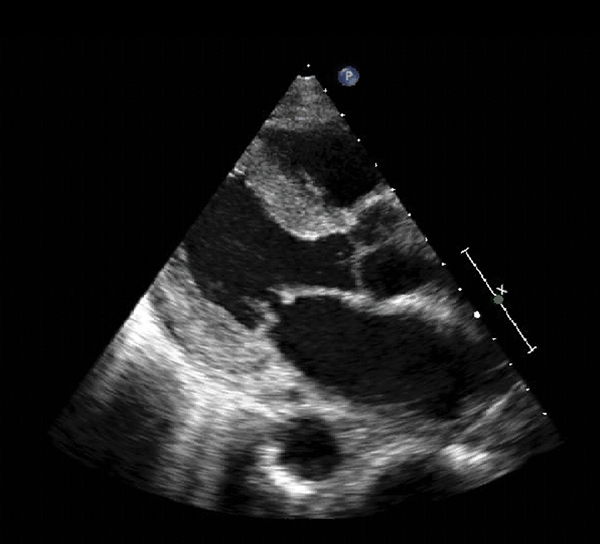
After taking a history and examining the patient, if a GP suspects heart failure, then the key blood test is B-type natriuretic peptide (BNP or NTproBNP). If the BNP level is normal then heart failure is unlikely and other diagnoses should be considered. If it is raised, or if there is a past history of myocardial infarction (MI), there is a high likelihood of heart failure and the patient requires further assessment, which must include echocardiography and a specialist assessment. BNP/NTproBNP testing can be performed in a hospital biochemistry department, or as a point-of-care test.
For the first time, NICE has indicated time limits for this full assessment. If the patient has a history of previous MI or a very high BNP level (> 400 pg/ml) or NTproBNP level (> 2,000 pg/ml) then the echocardiography and specialist assessment must be completed within two weeks. If the BNP level is moderately raised (BNP 100-400 pg/ml, or NTproBNP 400-2,000 pg/ml) then the assessment should be completed within six weeks.
It is important to remember that heart failure is not a complete diagnosis in itself. The underlying cardiac abnormality should be identified. In many cases the causes may be multiple, for example, an elderly patient with atrial fibrillation, left ventricular systolic dysfunction, and moderate aortic stenosis is a common clinical situation.
An ECG is often very useful. If it is completely normal it makes heart failure less likely, but it may show evidence of previous infarction, or an arrhythmia such as atrial fibrillation. A chest X-ray may point towards lung disease. Blood tests such as urea and electrolytes, creatinine, full blood count, thyroid function, and lipids and glucose may give important background information or alternative explanations for symptoms.
Management
The European Society of Cardiology (ESC) has updated its guidance on the management of heart failure in 2012.2 Drug therapy is necessary to improve life expectancy and quality of life, and to reduce the risk of hospitalisation. However, both the NICE1 and the ESC guidance2 also emphasise the importance of:
• Lifestyle management (regular appropriate exercise, avoiding excessive salt and alcohol consumption)
• Supporting patients to learn about their condition and to self-monitor and self-manage if so desired
• Palliation of symptoms at all stages of the condition
• Identification of the minority of patients in whom surgical intervention is required (for example, for severe valve disease, or when heart transplantation is appropriate)
The drug treatment of heart failure due to systolic dysfunction of the left ventricle is well worked out, and there is a clear treatment algorithm
(see figure 2). GPs will be familiar with the use of ACE inhibitors, or angiotensin receptor blockers if the patient is truly ACE-inhibitor intolerant, and beta-blockers licensed for heart failure (carvedilol, bisoprolol, nebivolol). These remain the mainstay of treatment in addition to as small a dose of diuretic as possible to control any fluid retention. However, two recent large randomised trials have changed best practice, adding two more drug options to best treatment.
Eplerenone
EMPHASIS-HF was a study of the addition of the aldosterone antagonist eplerenone to optimal heart failure treatment (typically with a diuretic, ACE inhibitor and beta-blocker) in patients with systolic impairment of the left ventricle but only mild symptoms.3 The trial was stopped early because of overwhelming benefit; a 24% reduction in mortality (P=0.008) as well as a 37% reduction in the primary combined endpoint of cardiovascular death and hospitalisation for heart failure (P < 0.001).
Aldosterone antagonism is therefore recommended by the 2012 ESC guidance for all patients who remain symptomatic despite an ACE inhibitor and beta-blocker. Previously such aldosterone antagonism (usually with spironolactone) was reserved for those with more severe symptoms or in those who had developed heart failure in the context of an acute MI. It is important to remember that the presence of mild symptoms in heart failure does not necessarily mean mild underlying cardiac disease and low risk.
Ivabradine
SHIFT was a study of the heart rate lowering agent ivabradine. It is the only drug in its class, acting on the If channels in the sinus node to slow the heart down in sinus rhythm by typically 10-15 beats per minute. Although already licensed for use in angina, the licence has recently been extended to patients with systolic heart failure, sinus rhythm, and a heart rate of 75 beats per minute or more despite optimal treatment, typically with an ACE inhibitor,beta-blocker to maximal tolerated dose, and diuretic.
The trial reported an 18% reduction in the combined endpoint of cardiovascular mortality and hospitalisation for heart failure (P < 0.0001), largely driven by a 26% reduction in hospitalisation for heart failure (P < 0.0001) and a 26% reduction in the risk of dying from
heart failure (P=0.014), with the benefit larger in those with a higher resting heart rate at the time of starting therapy. As discussed below, assessing the heart rhythm and rate is an important part of the clinical assessment of a patient with heart failure – if the rhythm is sinus but the rate is ≥ 75 beats per minute, therapy needs to be optimised – perhaps by increasing the beta-blocker dose if possible, or by the addition of ivabradine.
For patients with heart failure, no significant valve disease, and normal systolic function (previously termed diastolic heart failure) the treatment options remain disappointing. No trial has convincingly shown benefit for any drug class, but symptomatic relief can be obtained by judicious use of diuretics, ACE inhibitors, and perhaps beta-blockers if the heart rate is fast. Treatment of comorbidities such as hypertension, obesity, diabetes and atrial fibrillation is also vital.
Device therapy
Device therapy, with cardiac resynchronisation pacemakers and/or implantable cardioverter defibrillators, is increasingly used for patients with chronic heart failure, particularly if they have low ejection fractions (30-35% or below) and/or left bundle branch block on their ECG. NICE is due to issue updated recommendations on the indications for this therapy in 2013, which will clarify which patient characteristics should lead to consideration of this therapy. Each healthcare community should have a clear route for referral, usually involving patients who have been admitted to hospital at some point, or who remain symptomatic despite best drug therapy.
Rehabilitation
GPs should make sure that patients have been referred to a rehabilitation programme – something that is now enshrined in the NICE quality standard for heart failure, see table 1.5 This standard has 13 quality statements that are intended to guide commissioners regarding what are the key markers of high quality, cost-effective care.
Additionally, NICE recommends annual vaccination against influenza, and a one-off vaccination against pneumococcal disease.
Follow-up
All patients with heart failure require monitoring. This can be done in primary care and/or secondary care but it is vital that it is carried out. The frequency of monitoring will depend on the clinical status and stability of the patient. The monitoring interval should be short (days to two weeks) if the clinical condition or medication has changed, but it is required at least six-monthly for stable patients. Monitoring should include:
• Clinical assessment of functional capacity, fluid status, cardiac rhythm and rate (minimum of examining the pulse), cognitive status and nutritional status
• A review of medication, including the need for changes, and possible side effects
• Serum urea, electrolytes, creatinine and estimated glomerular filtration rate
More detailed monitoring will be required if the patient has significant comorbidity or if their condition has deteriorated since previous review.
This is particularly relevant for elderly patients on multiple medications, in whom renal function can deteriorate markedly in response to intercurrent infection or diarrhoea/vomiting.
NICE also recommends that if patients wish to be involved in monitoring of their condition, they should be provided with sufficient education and support to do this, with clear guidelines as to what to do in the event of deterioration.
A multidisciplinary team approach to heart failure is recommended by NICE, with an integrated approach across the healthcare community in primary and secondary care. Heart failure nurse specialists are an integral part of this team, although it is usually led by a hospital-based cardiologist. Such a team approach can ensure appropriate monitoring takes place, and can identify when patients should be seen by a physician with more expertise in heart failure, for example, when symptoms are severe or not responding to therapy, or when the heart failure can no longer be managed effectively in the home setting.
The high-risk period for any patient is after discharge from hospital, and good communication between the patient, carers, and all healthcare professionals is essential. Discharge should only occur once the patient has stabilised, with the primary care team aware of the management plan, and with clear instructions to the patient and family about how to access advice.
Thankfully, recognition of the palliative care and end of life needs of patients with heart failure is now widespread. Hospices are increasingly willing to play a role, and access to good palliative care services is vital for patients and their families. The GP has a key role to play in this aspect of care.
Conclusions
In 2012, any patient with suspected heart failure should have the diagnosis confirmed or refuted rapidly, with onward referral for echocardiography and specialist assessment. GP access to BNP/NTproBNP testing is key to doing this effectively. Once the causes of the heart failure are clear, a management plan needs to be put in place and enacted promptly. This will usually involve a multidisciplinary team, working with the patient and family to educate them about the condition, starting and uptitrating key drugs (an ACE inhibitor, beta-blocker and aldosterone antagonist), monitoring their clinical status, identifying who needs surgical intervention or device therapy, and thereby optimising their quality and length of life.
The GP is key to this process – acting as the patient’s advocate for timely diagnosis, making sure drug therapy is introduced and optimised, monitoring the patient’s condition, and identifying when the plan needs to be modified. With access to good diagnosis and good treatment the prognosis of this condition has improved remarkably in the past 20 years but without such modern therapy the syndrome can still be a death sentence.
REFERENCES
1 National institute for Health and Clinical Excellence. CG108. Chronic heart failure: management of chronic heart failure in adults in primary and secondary care. NICE. London. 2010. www.nice.org.uk
2 The Task Force for the Diagnosis and Treatment of Acute and Chronic Heart Failure 2012 of the European Society of Cardiology. ESC Guidelines for the diagnosis and treatment of acute and chronic heart failure 2012.
Eur Heart J 2012 (e-pub ahead of print). www.escardio.org/guidelines-surveys/esc-guidelines/Pages/acute-chronic-heart-failure.aspx
3 Zannad F, McMurray JJV, Krum H et al for the EMPHASIS-HF Study Group. Eplerenone in patients with systolic heart failure and mild symptoms. N Engl J Med 2011;364:11-21
4 Swedberg K, Komajda M, Bohm M et al on behalf of the SHIFT Investigators. Ivabradine and outcomes in chronic heart failure (SHIFT): a randomised placebo-controlled study. Lancet 2010;376:875-85
5 National Institute for Health and Clinical Excellence Centre for Clinical Practice: Quality Standards Programme. Chronic heart failure. NICE. London. 2011 www.nice.org.uk/media/D6F/93/CHFQualityStandard.pdf
USEFUL INFORMATION
NICE CG108
The management of chronic heart failure in adults in primary and secondary care. The full guidelines, quick reference guide, and summary for patients are available at www.nice.org.uk
The Heart Failure Association
The HFA of the European Society of Cardiology patient website www.heartfailurematters.org
British Heart Foundation
Accessible explanatory booklets for patients and relatives http://www.bhf.org.uk/
 Download this article in PDF format