SEARCH

Practitioner 2010; 254 (1731): 27-30
Improving the management of neuropathic pain
21 Jul 2010
AUTHORS
Dr John Lee BSc MSc MBBS MRCP FFPMRCA
Consultant in pain medicine
Dr Paul Nandi MBBS FRCP FRCA FFPMRCA
Consultant in pain medicine and anaesthesia
Pain Management Centre, National Hospital for Neurology and Neurosurgery, Queen Square, London
Article
Neuropathic pain is defined as ‘pain arising as a direct consequence of a lesion or disease of the somatosensory system'.1 The damage or dysfunction can occur within any part of the somatosensory pathways of the nervous system; in the periphery, it may reflect a widespread neuropathic process (e.g. diabetic neuropathy) or a more focal disorder (e.g. peripheral nerve trauma or post-herpetic neuralgia). Similarly, central pain may arise from widespread or focal lesions.
Neuropathic pain arises from a problem in the nervous system and is contrasted with nociceptive pain which is generated by the activation of thermal, mechanical or chemical nociceptors that cause or threaten tissue damage. The practical importance of recognising neuropathic pain (as distinct from nociceptive pain) lies in the difference in effective treatments.
It is also important to appreciate that the patient may be experiencing more than one type of pain. Post-herpetic neuralgia and painful diabetic neuropathy are recognised as conditions in which the fault lies within the nervous system. However, many long-term disabling neurological disorders, such as multiple sclerosis, as well as causing neuropathic pain may also give rise to musculoskeletal pains which may be more readily amenable to treatment. Too often, pain problems which may involve a combination of mechanisms, are treated with strategies aimed at only one mechanism e.g. a patient with back pain and a lumbar radicular component may only be offered simple analgesia.
Neuropathic pain is relatively common. One large European study found a prevalence of 6%.2 The diagnosis and treatment of long-term pain has received considerable attention recently. Long-term pain is pervasive and costly. There is an interrelationship with psychosocial problems and there are often difficulties in clarifying the diagnosis.3 Most treatment for long-term pain, including neuropathic pain, should be provided at the primary care level, with support as necessary from specialist services.
Causes of pain
Mechanisms for the generation of pain at cellular level are numerous. They are likely to exist in combination in any individual patient and are seldom, if ever, disease specific. However, clinical trials of drugs for neuropathic pain frequently test effect on a specific disease. It follows that primary diagnosis of a painful neurological disorder does not usually provide a clear guide to systemic drug treatment. Trigeminal neuralgia, however, is an exception to this general rule, with carbamazepine being the drug of first choice.
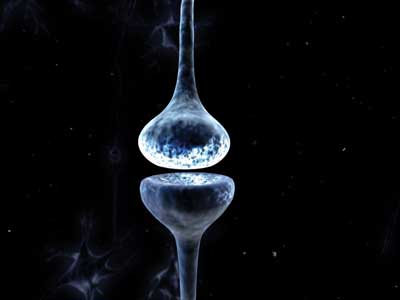
Some of the more important factors in inducing hyperexcitability in nociceptive neurones also provide a basis for rational treatment, see below and figure 1, above:
- abnormal expression of sodium channels (membrane stabilisers such as local anaesthetics and some anticonvulsants)
- abnormal expression of calcium channels (gabapentin and pregabalin)
- NMDA receptor activation (ketamine)
Diagnosis
Patients often struggle to describe neuropathic pain. However, there are characteristic descriptors of neuropathic pain, many of which are included in the McGill Pain Questionnaire4 and other questionnaires designed specifically to identify neuropathic pain e.g. the LANSS Pain Scale,5 which has both a clinician-guided assessment and a self-guided patient report tool.
Neuropathic pain is frequently, but by no means always, described as burning, shooting, tight or electrical. When taking the history it is important to elicit information about the site, duration, intensity and character of the pain (or pains, as there may be more than one pain phenotype in an individual patient). In addition, asking about what precipitates the pain (although it is often spontaneous and unprovoked) and what relieves it can aid diagnosis. The presence of accompanying somatosensory disturbance in the painful territory is strongly suggestive of neuropathic pain and can take the form of:
- numbness
- allodynia (provocation of pain by normally innocuous stimuli such as light touch)
- hyperalgesia (exaggerated response to painful stimuli)
- paraesthesia
- dysaesthesia (other sensations not painful but unpleasant, e.g. insects crawling on the skin or formication).
Listed below are some examples of the different aspects of diagnosis that need to be considered:
- Thinking beyond the obvious. In someone with poorly controlled diabetes, establishing that leg pain is worse after sitting for an hour suggests a spinal problem rather than pain directly attributable to diabetic neuropathy or vascular insufficiency.
- Recognising pathognomonic symptoms. Intense allodynia e.g. intense pain with a cold breeze on the face in trigeminal neuralgia or the brush of clothes on a dermatome affected by post-herpetic neuralgia.
- Awareness of associated clinical features. Autonomic nervous system dysfunction may accompany neuropathic pain, and may manifest as nail bed changes, oedema, flushing or other skin colour changes, or increased local sweating seen in complex regional pain syndrome.
As with all chronic pain conditions, sufferers of neuropathic pain are prone to adverse effects on mood, physical functioning and social activity, and their pain should be considered in the wider context of the biopsychosocial model. There are questionnaires that can provide more structured information on these aspects of the experience of pain such as:
- anxiety 6
- fear avoidance (avoiding activities through fear of what will happen)7
- depression 8
Treatment
The main categories of available treatment are shown in box 1, above.
Many doctors focus on the pharmacological management of neuropathic pain. In the early stages, this can be moderately successful.
The natural history of many causes of neuropathic pain means that that there will also be spontaneous improvements. However, very long-standing pain is unlikely to respond dramatically to drug treatment, although there are occasional striking successes. Moreover, the side effects of drug treatments frequently limit their use.
Hence, it is important that patients with long-term neuropathic pain recognise the limitations of medical treatment and are discouraged from harbouring unrealistic expectations of cure. The following factors should be considered:
- Both the patient and GP should have a good understanding of the cause and prognosis of the long-term pain
- Continual assessment of patients on long-term medications is vital to ensure that the benefits of treatment outweigh the adverse effects
- Assisting the patient in obtaining social support and home adaptation as appropriate
- Addressing psychosocial issues with support from adult mental health services in cases of overt anxiety and/or depression
- Provision of access to CBT, either individually or a group programme.
There are two evidence-based guidelines which may be particularly useful to GPs see box 2, above.
Referral
A specialist opinion should be sought in any case where the diagnosis is uncertain, or the patient's condition is rapidly deteriorating or uncontrolled. This may be a specialist in a particular condition, to address issues of primary diagnosis, or a specialist in pain medicine to advise on, or provide, further treatment.
One condition that requires special mention is complex regional pain syndrome (CRPS) which now encompasses the two formerly used terms, causalgia and reflex sympathetic dystrophy. There is some evidence that more rapid intervention can affect the long-term outcome.14 Patients with suspected CRPS should be referred straightaway.
While comparable data on other forms of neuropathic pain are lacking, epidemiological data on other disabling chronic pain (particularly low back pain) suggest that the likelihood of persisting failure to return to employment increases the longer the problem is left unaddressed.
Pending the acquisition of more robust data on neuropathic pain, it would seem prudent to instigate non-specialist treatments for neuropathic pain promptly, and refer early those patients failing to respond.
Patients who are struggling with their pain are repeat clinic attendees. Frequently, they have had many specialist referrals without clear benefit and a long list of medications. Their mood is often low. These patients are best served by specialist centres that can endeavour to explain the condition and encourage self-management. A frequent stumbling block is the lack of provision of services which address cultural barriers.
REFERENCES
1 Treede RD, Jensen TS, Campbell JN et al. Neuropathic pain: redefinition and a grading system for clinical and research purposes. Neurology 2008;70(18):1630-5
2 Bouhassira D, Lantéri-Minet M, Attal N et al. Prevalence of chronic pain with neuropathic characteristics in the general population. Pain 2008; 136(3):380-7
3 Haythornthwaite J, Benrud-Larson L. Psychological aspects of neuropathic pain. Clin J Pain 2000; 16
(2 Suppl):S101-5
4 Melzack R. The McGill Pain Questionnaire: major properties and scoring methods. Pain 1975;1(3):277-99
5 Bennett M. The LANSS pain scale: the Leeds assessment of neuropathic symptoms and signs. Pain 2001; 92:147-57
6 Pincus T, Williams A, Vogel S et al. The development and testing of the depression, anxiety, and positive outlook scale (DAPOS). Pain 2004; 109(1):181-8
7 Waddell G, Newton M, Henderson I et al. A fear-avoidance beliefs questionnaire (FABQ) and the role of fear-avoidance beliefs in chronic low back pain and disability. Pain; 1993.52(2):157-68
8 Nicholas M. The pain self-efficacy questionnaire: taking pain into account. Europ J Pain 2007; 11(2):153-63
9 National Institute for Health and Clinical Excellence TAG 159. Spinal cord stimulation for chronic pain of neuropathic or ischaemic origin. NICE. London. 2008
10 Hempenstall K, Nurmikko T, Johnson R et al. Analgesic therapy in postherpetic neuralgia: a quantitative systematic review. PLoS Med 2005;2(7):e164. Epub 200 5 Jul 26
11 Finnerup N, Otto M, Jensen T, Sindrup S. An evidence-based algorithm for the treatment of neuropathic pain. MedGenMed 2007;9(2):36
12 CREST guidelines on the management of neuropathic pain. Clinical Resource Efficiency Support Team. Belfast. 2008.
13 National Institute for Health and Clinical Excellence. CG 96. Neuropathic pain; the pharmacological management of neuropathic pain in adults in non-specialist settings. NICE. London. 2010
14 Albazaz R, Wong YT, Homer-Vanniasinkam S. Complex regional pain syndrome: a review. Ann Vasc Surg 2008;22(2):297-306
USEFUL INFORMATION
The British Pain Society provides useful articles and web links for both clinicians and patients
ARTICLE IN PDF
 Download this article in PDF format