SEARCH

Renton WD, Ramanan AV. GPs play a vital role in identifying and managing juvenile idiopathic arthritis. Practitioner Sept 2018;262(1818)21-26
GPs play a vital role in identifying and managing juvenile idiopathic arthritis
24 Sep 2018
AUTHORS
Dr William D Renton MBBS FRACP, Clinical Fellow in Paediatric Rheumatology, Bristol Royal Hospital for Children, University Hospitals Bristol, NHS Foundation Trust, Bristol, UK
Professor Athimalaipet V Ramanan FRCPCH FRCP, Consultant Paediatric Rheumatologist, Bristol Royal Hospital for Children, University Hospitals Bristol NHS Foundation Trust and Bristol Medical School, University of Bristol, Bristol, UK
Competing interests: None
Article
Juvenile idiopathic arthritis (JIA) affects approximately 1-4 per 1,000 children under the age of 16. Girls are more commonly affected than boys. It is a heterogeneous condition, even within JIA categories, ranging from insidious arthritis affecting one to two joints to florid and life-threatening systemic arthritis. Oligoarticular disease predominantly affects preschool children who are generally otherwise well and remain active despite their arthritis. It typically presents with gradual onset arthritis of the large joints. Polyarticular disease may present with systemic symptoms, such as lethargy, malaise and even low-grade fever, and tends to affect multiple large and small joints symmetrically. Systemic onset JIA on the other hand can cause prolonged fever accompanied by a macular rash. Arthritis may be a relatively late clinical finding. Evidence of immune activation may be seen. Uveitis affects up to 20% of patients with JIA. It is usually asymptomatic in the early stages and may precede the onset of arthritis. It can be sight threatening if not detected and treated. Some clinical signs such as cataracts, keratic precipitates, and irregular pupils secondary to synechiae can be observed by direct ophthalmoscopy. Patients should have an ophthalmic assessment within six weeks of initial diagnosis or urgently if any eye signs or symptoms are present. All patients with suspected JIA should be referred urgently to a specialist paediatric rheumatology team. Coordinated, multidisciplinary care within a specialist team is required to achieve optimal outcomes.
Juvenile idiopathic arthritis (JIA), formerly referred to as juvenile chronic arthritis or juvenile rheumatoid arthritis, is the most common rheumatic disease of childhood. It affects approximately 1-4 per 1,000 children under the age of 16.1 Girls are more commonly affected than boys in an overall ratio of approximately 3:2 but the ratio varies significantly between JIA subtypes.
It is a heterogeneous condition ranging from insidious arthritis affecting only one to two joints to florid and life-threatening systemic onset arthritis (previously called Still’s disease).
While the exact aetiology is not entirely understood, the disease is likely to be caused by a combination of genetic and environmental factors.2 Around 10-20% of patients have associated uveitis and this is a major cause of long-term morbidity.3
Prompt diagnosis and initiation of treatment is important to minimise permanent complications of chronic arthritis. Coordinated, multidisciplinary care is required to achieve optimal outcomes.
GPs play a vital role in the identification and ongoing care of children and adolescents with JIA.
Diagnosis
Classification criteria
The International League of Associations for Rheumatology (ILAR) classification is the most widely used and accepted classification system for JIA.4 Arthritis is defined as swelling within a joint, or limitation in the range of motion with joint pain or tenderness. JIA is arthritis of at least six weeks’ duration with onset of disease before the age of 16, observed by a physician, that is not the result of a primarily mechanical disorder or any other identifiable cause.
JIA is a clinical diagnosis and unlike adults with arthritis, radiological and laboratory investigations are less likely to be of help. The categories of JIA are based on clinical and laboratory characteristics (see table 1 ).
Clinical features
JIA is a heterogeneous condition even within JIA categories. Arthritis is typically characterised by early morning stiffness that eases as the day goes on. Swelling, pain, restricted range of movement and muscle wasting are also frequently seen.
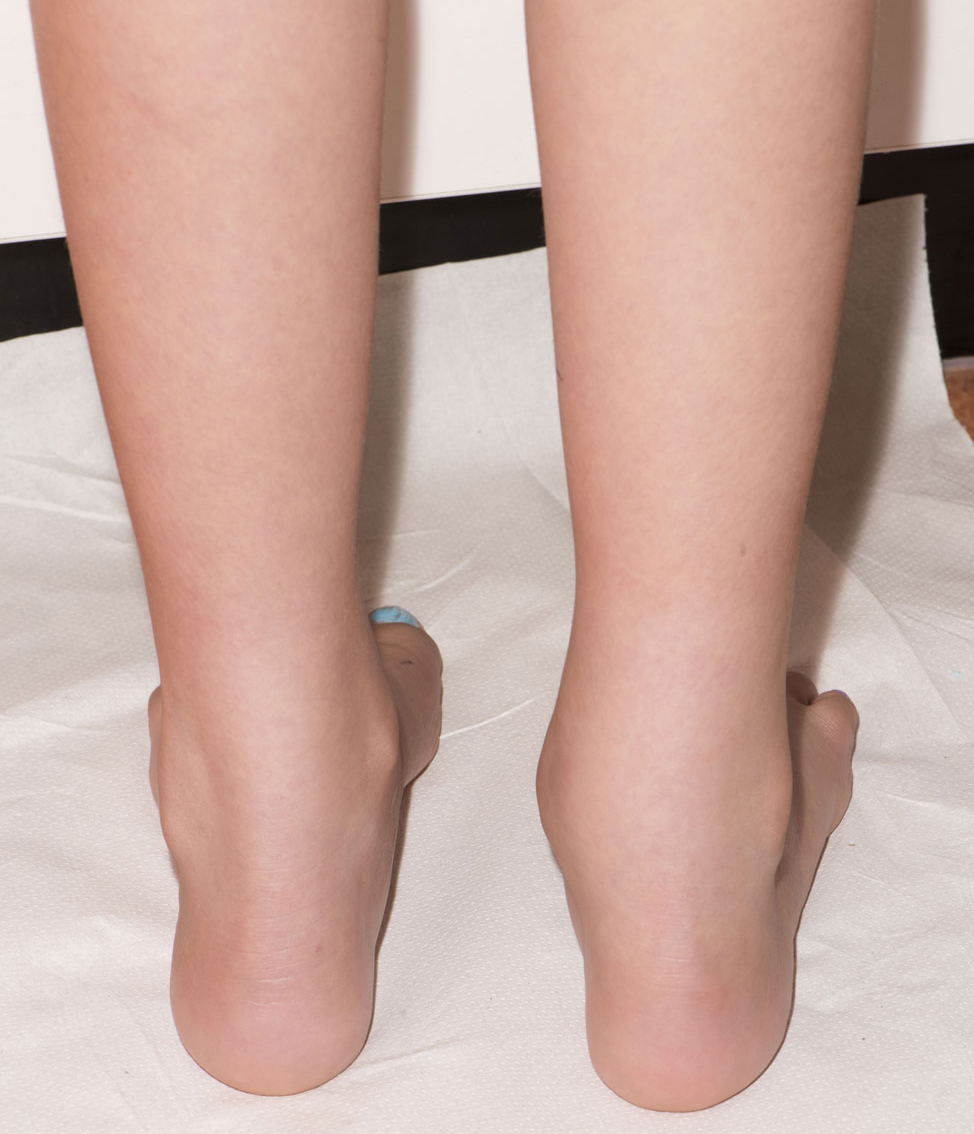
Children with oligoarticular disease typically present with gradual onset arthritis of the large joints, see figure 1. This form of arthritis predominantly affects preschool children. They are generally otherwise very well and remain active despite their arthritis. Signs such as swelling, a limp, developmental delay or reluctance to use an affected limb may be observed.
Patients with polyarticular JIA may have more systemic symptoms such as lethargy, malaise and even low-grade fever. Rheumatoid factor (RF) positive polyarthritis resembles adult rheumatoid arthritis and tends to affect multiple large and small joints symmetrically (especially the proximal interphalangeal and metacarpophalangeal joints).
RF negative polyarticular JIA is usually less symmetrical.
Enthesitis (tenderness at the insertion of a tendon, ligament, joint capsule or fascia to bone) and axial arthritis (including sacroiliac joints) are common in children with psoriatic and enthesitis-related JIA.
Systemic onset JIA is genetically and physiologically distinct from other JIA subtypes.5,6 Prolonged fever is a hallmark of the disease and classically follows a quotidian pattern (fever rising to > 39°C once a day and returning to < 37°C between peaks). The fevers are almost always accompanied by a characteristic rash that commonly affects the trunk and proximal extremities. The rash is usually characterised by discrete erythematous macules that disappear within hours of appearing. Arthritis may be a relatively late clinical finding.
Evidence of immune activation, including lymphadenopathy and hepatosplenomegaly, is often seen.
Macrophage activation syndrome (MAS) is a severe and life-threatening complication that can affect a small percentage of patients with systemic onset JIA.7 MAS is an uncontrolled and dysfunctional immune response characterised by persistent fever, pancytopaenia, coagulopathy and hyperferritinaemia.8 Any suspicion of this condition, which is a medical emergency with significant mortality rates, should prompt immediate hospital referral for further assessment.
The paediatric Gait, Arms, Legs, Spine (pGALS) examination is a helpful framework for examining children and adolescents with possible or established arthritis.9 Joints including the cervical spine, temporomandibular joints, hips and subtalar joints must not be overlooked.
Uveitis affects as many as 20% of patients with JIA and is usually asymptomatic in the early stages.
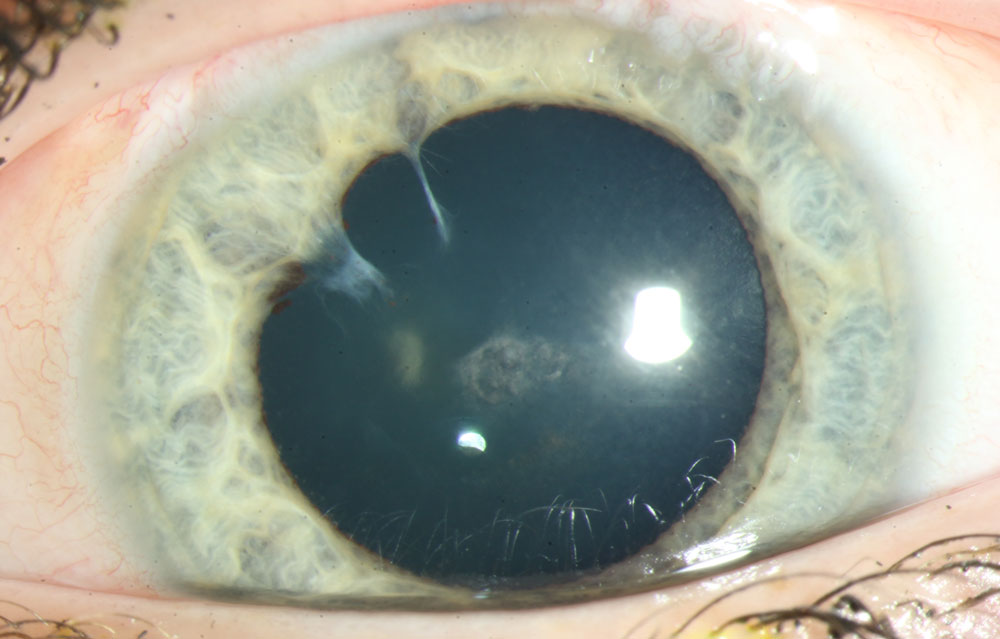
In some cases, it can precede the onset of arthritis. It is sight threatening if not detected and treated. Some clinical signs including cataracts, keratic precipitates and irregular pupils secondary to synechiae can be observed by direct ophthalmoscopy (see figure 2).
Differential diagnoses
Musculoskeletal complaints are one of the most common reasons that children and adolescents seek medical attention. There is a vast range of causes that range from benign to life threatening. Non-inflammatory causes of joint pain, including growing pains, are much more common than inflammatory rheumatic diseases and usually have distinct characteristics, see table 2, below.10,11 Taking a careful history and systematic examination in all children with possible JIA is important to rule out other differential diagnoses, see table 3.12-15
Investigations
There is no single test that accurately diagnoses JIA. Tests to increase diagnostic certainty and exclude mimics are required in some cases. A reasonable set of first-line blood tests for suspected JIA includes: a full blood count (and blood film), urea, creatinine, electrolytes, liver function tests, C-reactive protein (CRP) and erythrocyte sedimentation rate (ESR). Normal blood test results do not preclude a diagnosis of JIA and should not delay referral for a specialist opinion if clinical suspicion remains high.
A full blood count may show signs consistent with inflammation such as anaemia, leucocytosis and thrombocytosis, but may also be within normal limits. ESR and CRP are usually elevated but may also be normal, particularly in children with oligoarthritis.
Investigations such as antinuclear antibodies (ANA), rheumatoid factor (RF), cyclic citrullinated peptide (CCP) antibodies and human leukocyte antigen B27 (HLA-B27) do not play a significant role in the diagnosis of JIA. ANA can be found in up to 5-18% of healthy children; usually at low titres (up to 1:320), however higher titres may occur.16-19 RF and CCP antibodies are only positive in a small minority of children and adolescents with JIA and can also be seen in healthy individuals, often as a response to recent infection. HLA-B27 is associated with enthesitis-related arthritis but is also present in around 10% of the general population.20
Plain X-rays may show acute changes such as a joint effusion but are unlikely to show more specific changes such as joint erosions except in very advanced disease. However, they are useful for excluding differentials such as trauma, malignancy and infection.
Other imaging modalities including ultrasound, computed tomography (CT) and magnetic resonance imaging (MRI) can all play an important role in the diagnosis and ongoing management of JIA. Each investigation has its benefits and drawbacks and specialist input may be required to determine the best approach for an individual patient.21
Management
The goals of treating patients with JIA are to: control signs and symptoms; prevent structural damage; avoid comorbid conditions and drug toxicities; and optimise function, growth and development, quality of life, and social participation by abrogation of inflammation. Clinical remission should be the primary target for all patients and treatment should be adjusted until this is achieved.22
The healthcare team should involve the patient and parents in therapeutic decisions. Increasingly early aggressive treatment is given as early initiation of therapy increases the likelihood of a response to first-line treatments and of achieving drug-free remission later in life.23-25
Referral and ongoing review
All patients with suspected JIA should be urgently referred to a specialist paediatric rheumatology team that may consist of a paediatric rheumatologist, general paediatrician with an interest in paediatric rheumatology or adult rheumatologist with an interest in paediatric rheumatology (operating within a formal paediatric rheumatology clinical network).
Patients with confirmed JIA need access to a team including their GP, paediatric rheumatology nurse specialists, ophthalmologists, paediatric physiotherapists, paediatric clinical psychologists, paediatric occupational therapists, podiatrists and health visitors or school nurses. Patients with active disease should be seen as required and at intervals of no longer than four months.26
Non-pharmacological interventions
Children with JIA are at risk of low bone mineral density (independent of steroid use) and pathologic fractures are not uncommon.27 A balanced diet including adequate calcium and vitamin D intake is recommended. Regular exercise leads to better outcomes and should be encouraged in all patients.28,29 Simple strategies including heat packs and warm baths can help alleviate joint pains and stiffness. Appropriate footwear as well as splints and orthotics are indicated in some cases.30 Other supportive therapies including physiotherapy, occupational therapy and psychology are vital to the effective management of patients with JIA.
Simple analgesics and NSAIDs
Paracetamol has a role in managing symptoms of JIA although evidence for its efficacy is limited. NSAIDs are the first-line medication for the treatment of inflammation in children with JIA. They are useful analgesics and while they have some anti-inflammatory properties, they are unlikely to lead to clinical remission in isolation.31 They are generally very well tolerated in children although possible side effects include gastrointestinal upset, rash and mood changes. Many children with asthma can take NSAIDs safely however caution is advised as they can worsen symptoms.
Ibuprofen, naproxen, diclofenac, indomethacin, meloxicam and piroxicam are approved for use in JIA. Specific COX-2 inhibitors have not been studied extensively in children and their role is not clearly defined. Aspirin is not recommended in children because of its link with Reye syndrome. There is no evidence to support the use of topical NSAIDs.
Systemic corticosteroids
Systemic steroids (enteral and parenteral) are used to induce remission and maintain disease control in some patients. They have potent anti-inflammatory properties although owing to their significant side-effect profile, efforts should always be taken to minimise long-term exposure.
Intra-articular steroids
Injection of long-acting corticosteroids into the synovial space is a very effective treatment for JIA. As many as two thirds of patients with oligoarthritis have no recurrence of arthritis in an injected joint at two years.32 Joint injections have an important role in oligoarticular disease and may spare the need for any systemic therapy. Significant complications, such as septic arthritis, are exceedingly rare. Mild cosmetic changes including subcutaneous fat atrophy and cutaneous hypopigmentation are seen more frequently.33 Sedation or general anaesthesia may be required to perform joint injections in some children.
Disease modifying anti-rheumatic drugs (DMARDs)
Systemic disease modifying medications will be required to achieve clinical remission in some patients. Methotrexate is the first-line treatment used for most patients with JIA needing systemic immunosuppressive therapy.
It is a highly effective treatment with reassuring long-term safety data.34
Gastrointestinal symptoms such as nausea are common but are usually manageable. Strategies to manage nausea include methotrexate dose reduction, changing to subcutaneous administration, and antiemetic treatment (ondansetron).35 Serious side effects such as irreversible liver fibrosis, pulmonary fibrosis, malignancy and bone marrow suppression are very rare in children with JIA taking methotrexate.36 Major infections are also uncommon however vigilance is required with regard to this complication. At therapeutic doses, methotrexate is more effective and better tolerated when given by subcutaneous injection rather than orally.37 Folic acid is often given to reduce toxicity without significantly affecting efficacy.38 Regular monitoring including blood count, hepatic enzymes and renal function is required. Patients established on stable doses of the medication need blood tests at least every three months.39
Other medications including leflunomide, sulfasalazine and cyclosporine will be required in some patients with JIA.
Several studies have tried to determine the optimum duration of treatment for patients who achieve sustained inactive disease on treatment.40,41 Most clinicians would maintain patients with inactive disease on treatment for at least one to two years before considering a trial of tapering or ceasing systemic medications. The risk of disease flare after ceasing systemic medications is significant and close surveillance is required during this period.
Biologics
Biologic medications have revolutionised the management of JIA by providing effective and tolerable alternatives to other treatments.42 They are generally reserved as second-line therapy for patients where treatment with a conventional DMARD has failed. Biologics are potent immunosuppressants that generally target a specific part of the immune system (TNF-α, interleukin-1, interleukin-6, T-cell co-stimulation, CD-20 etc) to regulate the inflammatory process seen in JIA. As with DMARDs, close monitoring is required and duration of treatment is tailored to the patient.
Novel therapies
Emerging treatments including Janus kinase inhibitors have shown great promise in adult rheumatoid arthritis and are likely to be helpful in treating JIA. Phase 1 studies are complete and randomised controlled trials are underway.43
Uveitis
All patients with JIA should have ophthalmology reviews according to local guidelines. The most frequent cause of avoidable morbidity is missed or inadequate examinations in the first year of disease. Each patient should have a formal ophthalmic assessment within six weeks of initial diagnosis or urgently if any eye signs or symptoms are present.44
Systemic therapies for JIA often concurrently treat uveitis. However, some patients require treatment escalation specifically for their eye disease.45,46 Treatment options include local corticosteroids, methotrexate and biologics.47, 48,49
Vaccination and infections
Non-live vaccinations should be given to all patients with JIA according to local guidelines although it is worth noting that immunogenicity may be impaired if vaccines are given while the patient is on immunosuppressive treatment.50 Live vaccines should generally be withheld while on high-dose therapy, see table 4, but can be considered on a case by case basis weighing the risk of infection against the hypothetical risk of inducing infections by vaccination.
Annual influenza vaccination should be considered in all patients. If not already immune, children should ideally be vaccinated against varicella before starting systemic immunosuppressive treatment. Patients on systemic immunosuppressive therapy are at risk of severe infection and symptoms may be masked by treatments. Any sign of infection should prompt urgent medical review and early initiation of treatment if needed. Varicella contact or disease in children on systemic immunosuppressive therapy should prompt consideration of treatment with zoster immunoglobulin or anti-viral agents.51
Transition
Most patients with JIA will need rheumatology follow-up into adulthood and transition to adult services usually occurs between 16 and 18 years of age. Planned and coordinated transition is vital for ensuring continuity of care.52,53
Conclusion
The long-term outlook for patients with JIA has markedly improved over recent decades. Severe morbidity and mortality were not uncommon prior to the introduction of contemporary treatments.54 Therapeutic advances have drastically changed the lives of patients with this condition.42 Most patients will achieve clinically inactive disease and many, particularly those with oligoarticular disease, will attain long-term remission off medications.55
Despite these advances, substantial long-term effects in terms of reduced quality of life, physical function, mental health, growth and development are frequently reported.56-59 Sequelae from chronic ocular inflammation remain a major source of morbidity.60
REFERENCES
1 Thierry S, Fautrel B, Lemelle I et al. Prevalence and incidence of juvenile idiopathic arthritis: a systematic review. Joint Bone Spine 2014;81(2):112-17
2 Prakken B, Albani S, Martini A. Juvenile idiopathic arthritis. Lancet 2011;377(9783):2138-49
3 Sabri K, Saurenmann RK, Silverman ED et al. Course, complications, and outcome of juvenile arthritis-related uveitis. J AAPOS 2008;12(6):539-45
4 Petty RE, Southwood TR, Manners P et al. International League of Associations for Rheumatology classification of juvenile idiopathic arthritis: second revision, Edmonton, 2001. J Rheumatol 2004;31(2):390-92
5 Ling XB, Macaubas C, Alexander HC et al. Correlation analyses of clinical and molecular findings identify candidate biological pathways in systemic juvenile idiopathic arthritis. BMC Med 2012;10:125
6 Ombrello MJ, Arthur VL, Remmers EF et al. Genetic architecture distinguishes systemic juvenile idiopathic arthritis from other forms of juvenile idiopathic arthritis: clinical and therapeutic implications. Ann Rheum Dis 2017;76(5):906-13
7 Ravelli A, Minoia F, Davi S et al. 2016 classification criteria for macrophage activation Syndrome Complicating Systemic Juvenile Idiopathic Arthritis: A European League Against Rheumatism/American College of Rheumatology/Paediatric Rheumatology International Trials Organisation Collaborative Initiative. Arthritis Rheumatol 2016;68(3):566-76
8 Minoia F, Davi S, Horne A et al. Clinical features, treatment, and outcome of macrophage activation syndrome complicating systemic juvenile idiopathic arthritis: a multinational, multicenter study of 362 patients. Arthritis Rheumatol 2014;66(11):3160-09
9 Foster HE, Kay LJ, Friswell M et al. Musculoskeletal screening examination (pGALS) for school-age children based on the adult GALS screen. Arthritis Rheum 2006;55(5):709-16
10 Uziel Y, Hashkes PJ. Growing pains in children. Pediatr Rheumatol Online J. 2007;5:5
11 Lowe RM, Hashkes PJ. Growing pains: a noninflammatory pain syndrome of early childhood. Nat Clin Pract Rheumatol 2008;4(10):542-49
12 Tse SM, Laxer RM. Approach to acute limb pain in childhood. Pediatr Rev 2006;27(5):170-09
13 Tallen G, Bielack S, Henze G et al. Musculoskeletal pain: a new algorithm for differential diagnosis of a cardinal symptom in pediatrics. Klin Padiatr 2014;226(2):86-98
14 Brix N, Rosthoj S, Herlin T et al. Arthritis as presenting manifestation of acute lymphoblastic leukaemia in children. Arch Dis Child 2015;100(9):821-25
15 Sawyer JR, Kapoor M. The limping child: a systematic approach to diagnosis. Am Fam Physician 2009;79(3):215-24
16 Craig WY, Ledue TB, Johnson AM et al. The distribution of antinuclear antibody titers in "normal" children and adults. J Rheumatol 1999;26(4):914-19
17 Allen RC, Dewez P, Stuart L et al. Antinuclear antibodies using HEp-2 cells in normal children and in children with common infections. J Paediatrics Child Health 1991;27(1):39-42
18 Forslid J, Heigl Z, Jonsson J et al. The prevalence of antinuclear antibodies in healthy young persons and adults, comparing rat liver tissue sections with HEp-2 cells as antigen substrate. Clin Exp Rheumatol 1994;12(2):137-41
19 Hilario MO, Len CA, Roja SC et al. Frequency of antinuclear antibodies in healthy children and adolescents. Clin Pediatr (Phila) 2004;43(7):637-42
20 Brown MA, Pile KD, Kennedy LG et al. HLA class I associations of ankylosing spondylitis in the white population in the United Kingdom. Ann Rheum Dis 1996;55(4):268-70
21 Colebatch-Bourn AN, Edwards CJ, Collado P et al. EULAR-PReS points to consider for the use of imaging in the diagnosis and management of juvenile idiopathic arthritis in clinical practice. Ann Rheum Dis 2015;74(11):1946-57
22 Ravelli A, Consolaro A, Horneff G et al. Treating juvenile idiopathic arthritis to target: recommendations of an international task force. Ann Rheum Dis 2018;77(6):819-28
23 Albers HM, Wessels JA, van der Straaten RJ et al. Time to treatment as an important factor for the response to methotrexate in juvenile idiopathic arthritis. Arthritis Rheum 2009;61(1):46-51
24 Magnani A, Pistorio A, Magni-Manzoni S et al. Achievement of a state of inactive disease at least once in the first 5 years predicts better outcome of patients with polyarticular juvenile idiopathic arthritis. J Rheumatol 2009;36(3):628-34
25 Minden K, Horneff G, Niewerth M et al. The time of DMARD start in juvenile idiopathic arthritis determines the likelihood of a drug-free remission in young adulthood. Arthritis Care Res 2018 (In press)
26 Davies K, Cleary G, Foster H et al. BSPAR standards of care for children and young people with juvenile idiopathic arthritis. Rheumatology (Oxford) 2010;49(7):1406-08
27 Henderson CJ, Cawkwell GD, Specker BL et al. Predictors of total body bone mineral density in non-corticosteroid-treated prepubertal children with juvenile rheumatoid arthritis. Arthritis Rheum 1997;40(11):1967-75
28 Singh-Grewal D, Schneiderman-Walker J, Wright V et al. The effects of vigorous exercise training on physical function in children with arthritis: a randomized, controlled, single-blinded trial. Arthritis Rheum 2007;57(7):1202-10
29 Kuntze G, Nesbitt C, Whittaker JL et al. Exercise therapy in juvenile idiopathic arthritis: A systematic review and meta-analysis. Arch Phys Med Rehabil 2018;99(1):178-93 e1
30 Powell M, Seid M, Szer IS. Efficacy of custom foot orthotics in improving pain and functional status in children with juvenile idiopathic arthritis: a randomized trial. J Rheumatol 2005;32(5):943-50
31 Ruperto N, Nikishina I, Pachanov ED et al. A randomized, double-blind clinical trial of two doses of meloxicam compared with naproxen in children with juvenile idiopathic arthritis: short- and long-term efficacy and safety results. Arthritis Rheum 2005;52(2):563-72
32 Zulian F, Martini G, Gobber D et al. Triamcinolone acetonide and hexacetonide intra-articular treatment of symmetrical joints in juvenile idiopathic arthritis: a double-blind trial. Rheumatology (Oxford) 2004;43(10):1288-91
33 Lanni S, Bertamino M, Consolaro A et al. Outcome and predicting factors of single and multiple intra-articular corticosteroid injections in children with juvenile idiopathic arthritis. Rheumatology (Oxford) 2011;50(9):1627-34
34 Giannini EH, Brewer EJ, Kuzmina N et al. Methotrexate in resistant juvenile rheumatoid arthritis. Results of the U.S.A.-U.S.S.R. double-blind, placebo-controlled trial. The Pediatric Rheumatology Collaborative Study Group and The Cooperative Children's Study Group. N Engl J Med 1992;326(16):1043-49
35 Ravelli A, Gerloni V, Corona F et al. Oral versus intramuscular methotrexate in juvenile chronic arthritis. Italian Pediatric Rheumatology Study Group. Clin Exp Rheumatol 1998;16(2):181-83
36 Graham LD, Myones BL, Rivas-Chacon RF et al. Morbidity associated with long-term methotrexate therapy in juvenile rheumatoid arthritis. J Pediatr 1992;120(3):468-73
37 Alsufyani K, Ortiz-Alvarez O, Cabral DA et al. The role of subcutaneous administration of methotrexate in children with juvenile idiopathic arthritis who have failed oral methotrexate. J Rheumatol 2004;31(1):179-82
38 van Ede AE, Laan RF, Rood MJ et al. Effect of folic or folinic acid supplementation on the toxicity and efficacy of methotrexate in rheumatoid arthritis: a forty-eight week, multicenter, randomized, double-blind, placebo-controlled study. Arthritis Rheum 2001;44(7):1515-24
39 Ortiz-Alvarez O, Morishita K, Avery G et al. Guidelines for blood test monitoring of methotrexate toxicity in juvenile idiopathic arthritis. J Rheumatol 2004;31(12):2501-06
40 Klotsche J, Minden K, Niewerth M et al. Time spent in inactive disease before MTX withdrawal is relevant with regard to the flare risk in patients with JIA. Ann Rheum Dis 2018;77(7):996-1002
41 Foell D, Wulffraat N, Wedderburn LR et al. Methotrexate withdrawal at 6 vs 12 months in juvenile idiopathic arthritis in remission: a randomized clinical trial. JAMA 2010;303(13):1266-73
42 Hinze C, Gohar F, Foell D. Management of juvenile idiopathic arthritis: hitting the target. Nat Rev Rheumatol 2015;11(5):290-300
43 Ruperto N, Brunner HI, Zuber Z et al. Pharmacokinetic and safety profile of tofacitinib in children with polyarticular course juvenile idiopathic arthritis: results of a phase 1, open-label, multicenter study. Pediatr Rheumatol Online J 2017;15(1):86
44 Guidelines for screening for uveitis in juvenile idiopathic arthritis (JIA) produced jointly by BSPAR and the RCOphth 2006 www.rcophth.ac.uk/wp-content/ uploads/2017/08/2006_PROF_046_JuvenileArthritis-updated-crest.pdf.
45 Constantin T, Foeldvari I, Anton J et al. Consensus-based recommendations for the management of uveitis associated with juvenile idiopathic arthritis: the SHARE initiative. Ann Rheum Dis 2018;77(8):1107-17
46 Angeles-Han ST, Lo MS, Henderson LA et al. Childhood Arthritis and Rheumatology Research Alliance consensus treatment plans for juvenile idiopathic arthritis-associated and idiopathic chronic anterior uveitis. Arthritis Care Res 2018 (In press)
47 Simonini G, Paudyal P, Jones GT et al. Current evidence of methotrexate efficacy in childhood chronic uveitis: a systematic review and meta-analysis approach. Rheumatology (Oxford). 2013;52(5):825-31
48 Ramanan AV, Dick AD, Jones AP et al. Adalimumab plus methotrexate for uveitis in juvenile idiopathic arthritis. N Engl J Med 2017;376(17):1637-46
49 Quartier P, Baptiste A, Despert V et al. ADJUVITE: a double-blind, randomised, placebo-controlled trial of adalimumab in early onset, chronic, juvenile idiopathic arthritis-associated anterior uveitis. Ann Rheum Dis 2018;77(7):1003-11
50 Heijstek MW, Ott de Bruin LM, Borrow R et al. Vaccination in paediatric patients with auto-immune rheumatic diseases: a systemic literature review for the European League against Rheumatism evidence-based recommendations. Autoimmun Rev 2011;11(2):112-22
51 Roderick M, Finn A, Ramanan AV. Chickenpox in the immunocompromised child. Arch Dis Child 2012;97(7):587-89
52 Clemente D, Leon L, Foster H et al. Systematic review and critical appraisal of transitional care programmes in rheumatology. Semin Arthritis Rheum 2016;46(3):372-79
53 Foster HE, Minden K, Clemente D et al. EULAR/PReS standards and recommendations for the transitional care of young people with juvenile-onset rheumatic diseases. Ann Rheum Dis 2017;76(4):639-46
54 Colver T. The prognosis in rheumatoid arthritis in childhood. Arch Dis Child 1937;12(70):253-60
55 Shoop-Worrall SJW, Kearsley-Fleet L, Thomson W et al. How common is remission in juvenile idiopathic arthritis: A systematic review. Semin Arthritis Rheum 2017;47(3):331-37
56 Zak M, Pedersen FK. Juvenile chronic arthritis into adulthood: a long-term follow-up study. Rheumatology (Oxford) 2000;39(2):198-204
57 David J, Cooper C, Hickey L et al. The functional and psychological outcomes of juvenile chronic arthritis in young adulthood. Br J Rheumatol 1994;33(9):876-81
58 Armbrust W, Siers NE, Lelieveld OT et al. Fatigue in patients with juvenile idiopathic arthritis: A systematic review of the literature. Semin Arthritis Rheum 2016;45(5):587-95
59 Wipff J, Sparsa L, Lohse A et al. Impact of juvenile idiopathic arthritis on quality of life during transition period at the era of biotherapies. Joint Bone Spine 2016;83(1):69-74
60 Cann M, Ramanan AV, Crawford A et al. Outcomes of non-infectious paediatric uveitis in the era of biologic therapy. Pediatr Rheumatol Online J 2018;16(1):51
ARTICLE IN PDF
 Download this article in PDF format
EXTERNAL WEBLINKS
Information and support for patients and their families
Information and support for patients and their families
Support group for uveitis sufferers
Paediatric Rheumatology International Trials Organisation