SEARCH

Stollery N. End of year photo quiz. Practitioner 2015; 259 (1788):28-29
End of year photo quiz - 2015
22 Dec 2015
AUTHORS
Dr Nigel Stollery MB BS DPD, GPwSI Dermatology, Kibworth, Leicestershire, UK
Article
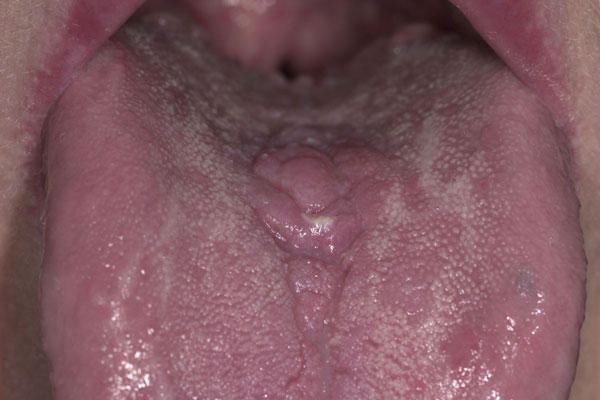
Case 1 A lump in the tongue
The lump in the middle of this patient’s tongue had been present for as long as she could remember. It was asymptomatic and there was no past history of problems.
A What is this condition called?
B What is the cause?
C What symptoms might be associated with this condition?
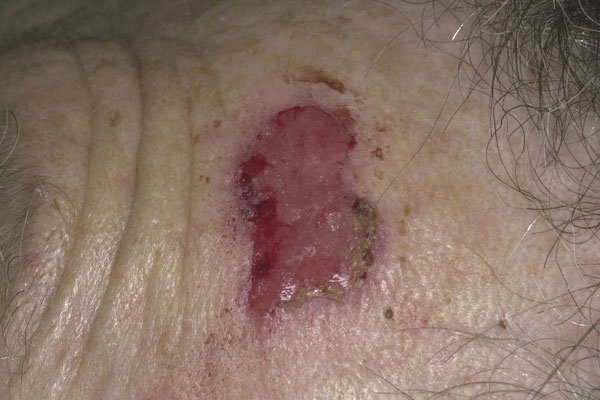
Case 2 Unusual forehead lesion
This image shows a rare form of skin malignancy on the patient’s forehead. The lesion had been present for at least a year but recently had rapidly increased in size.
A What is the diagnosis?
B Why is the prognosis usually worse than with other types of skin cancer?
C What is the treatment of choice?
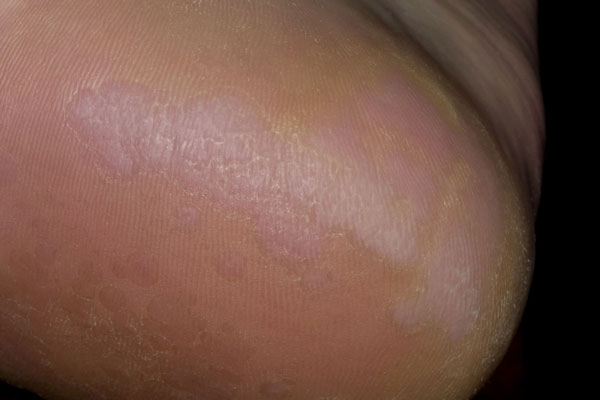
Case 3 Smelly feet
This patient presented after he had noticed white areas on the soles of both his feet and an increase in odour especially after exercise.
A What is the name of this condition?
B What is the aetiology?
C What is the cause of the pitting seen?
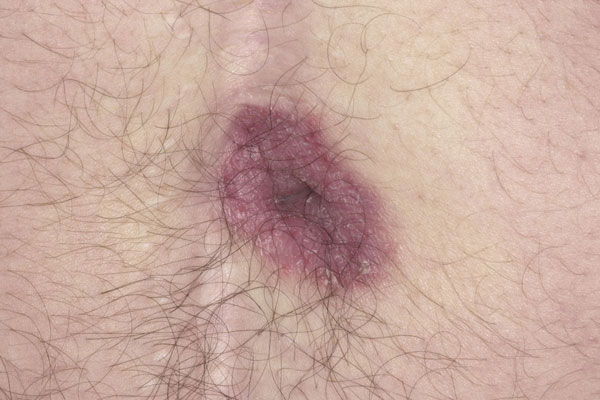
Case 4 Umbilical rash
This lady had had a red rash affecting her umbilicus for a number of years. There was scale right across the affected area, but no discharge, and the size of the area affected had not changed.
A Name the most likely cause of this rash?
B Which other parts of her body might also be affected by this condition?
C How should this be treated?
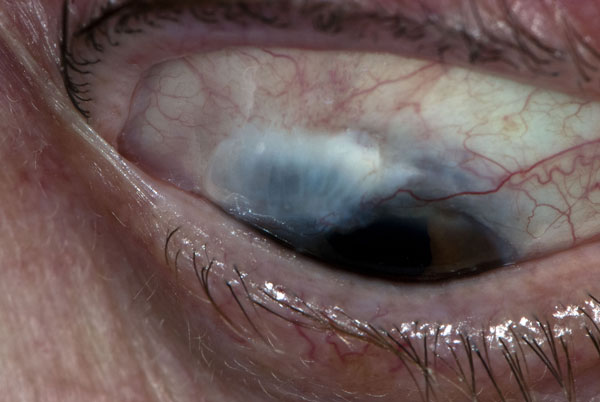
Case 5 Eye lesion
After developing a white area on his eye this man assumed he had a cataract. He had no past history of eye problems and had never needed to wear glasses. The areas had slowly been increasing in size over a number of months.
A What is the name of this eye condition?
B Which individuals are most at risk of developing this?
C How is it best treated?
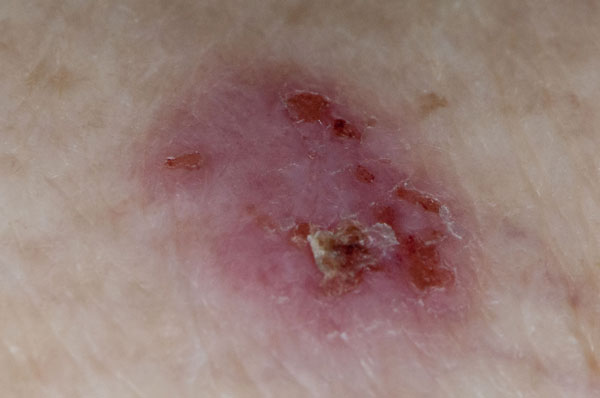
Case 6 Unresponsive plaque
Thought initially to be psoriasis this single plaque on the patient’s back failed to respond to the usual treatments. There was no itch and no past history of psoriasis.
A What is the name of this condition?
B How can the diagnosis be confirmed if in doubt?
C What are the treatment choices?
 Download this article in PDF format