Superficial thrombophlebitis
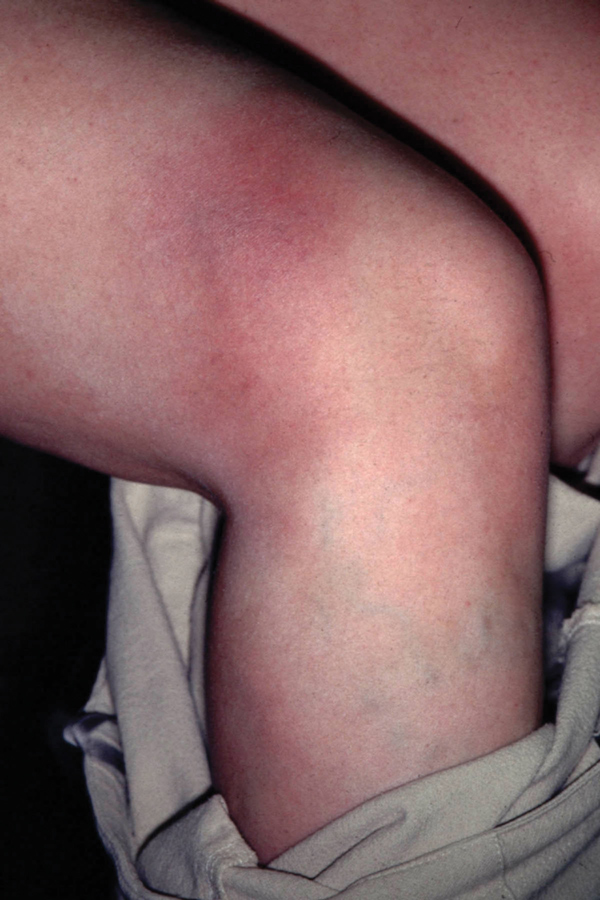
Superficial thrombophlebitis is a relatively common condition that can occur spontaneously or as a result of underlying risk factors such as pregnancy. The veins are usually red and tender on palpation due to inflammation of the vessel walls. The condition is rarely life threatening and usually settles over a few days with oral anti-inflammatory medication. Care needs to be taken when examining a patient with this condition as occasionally there will be an associated deep vein thrombosis. If in doubt an ultrasound scan should be arranged.
Polymorphic eruption of pregnancy
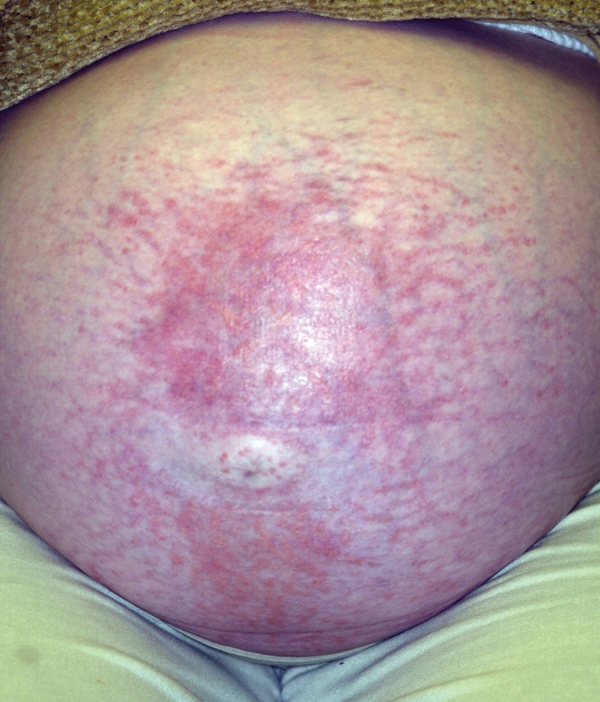
This is a benign dermatosis which occurs in the third trimester of pregnancy. It is also known as pruritic urticarial papules and plaques of pregnancy (PUPPP). The pruritis is usually the most distressing feature. Patients can be reassured that the condition poses no risk to the fetus.
The majority of cases occur in the first pregnancy with only around 10% of patients having a recurrence in further pregnancies. Treatment includes measures to reduce the pruritis such as cooling the skin, wearing loose clothing and applying emollients along with topical steroids.
Oral steroids may be required in more severe cases. Antihistamines provide little in the way of relief.
Chloasma
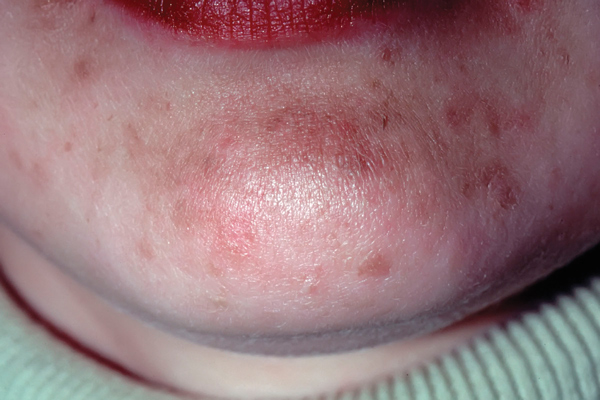
Chloasma is an acquired increase in pigment in sun-exposed areas occurring in pregnancy. The condition is usually symmetrical with macules of hyperpigmentation most commonly on the chin, forehead, cheeks and upper lip. It is caused by an overproduction of melanin in melanocytes. Following delivery the pigment will usually start to fade but this may take a few months. The use of a high-factor sunscreen all year round will help and the oral contraceptive pill should probably be avoided as this is likely to exacerbate the condition. A similar disorder melasma can develop outside pregnancy.
Naevi
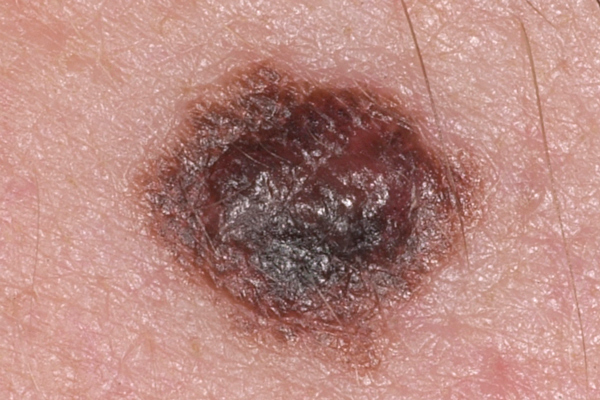
Melanocytic naevi typically darken and enlarge during pregnancy. This is thought to be due to the presence of cytosolic receptors for oestrogens and androgens within melanocytes. It may be the reason why melanomas are the most common malignancy to occur during pregnancy prompting the need for extra vigilance when assessing naevi in pregnant women. Pregnancy, however, does not increase the risk of melanoma. Any naevi should be assessed in the usual way and, if deemed appropriate, excised under local anaesthetic.
Jaundice
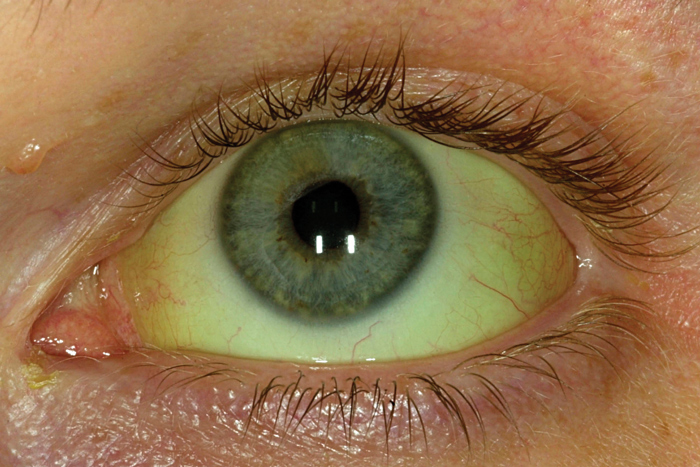
Around 3-5% of women will have abnormal liver function tests during pregnancy. The cause may be directly related to the pregnancy or occur intercurrently. Causes specific to pregnancy include hyperemesis gravidarum, acute fatty liver of pregnancy, intrahepatic cholestasis of pregnancy and pre-eclampsia associated with HELLP syndrome (haemolysis, elevated liver enzymes and low platelet count).
 Download this article in PDF format