Blepharitis
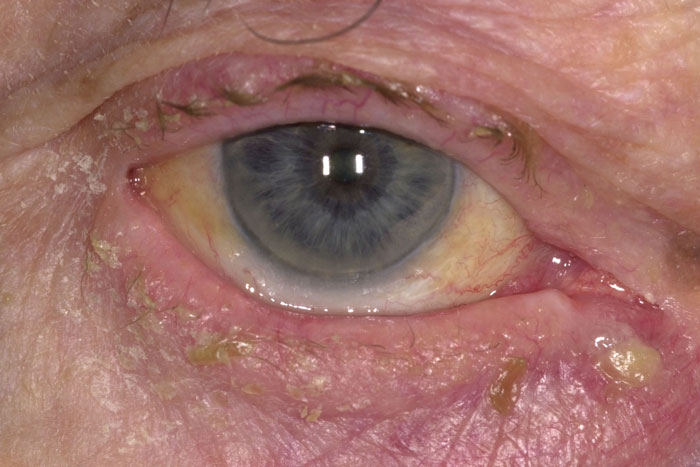
Blepharitis is a common inflammatory condition of the eyelids which is more prevalent in patients over 50. It can be either anterior, affecting the area around the lashes and follicles, or posterior, affecting the orifices of the meibomian glands. Blepharitis may be associated with other conditions such as: rosacea; seborrhoeic dermatitis; chalazion; conjunctivitis; keratitis and dry eye syndromes. Maintaining good lid hygiene by regularly washing the affected areas with baby shampoo is important. Blepharitis can be treated by applying heat to the area and, if infected, topical or oral antibiotics should be given.
Ectopic eyelashes
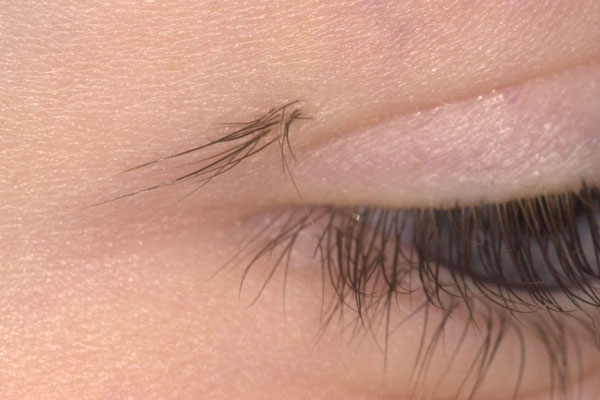
In this rare condition eyelashes are found in other areas as well as the lid margin. The condition is generally present from birth and unless the lashes are growing from the underside of the lids, it is usually asymptomatic. Excision of the ectopic lashes may be carried out for functional or cosmetic reasons.
Epidermoid cyst
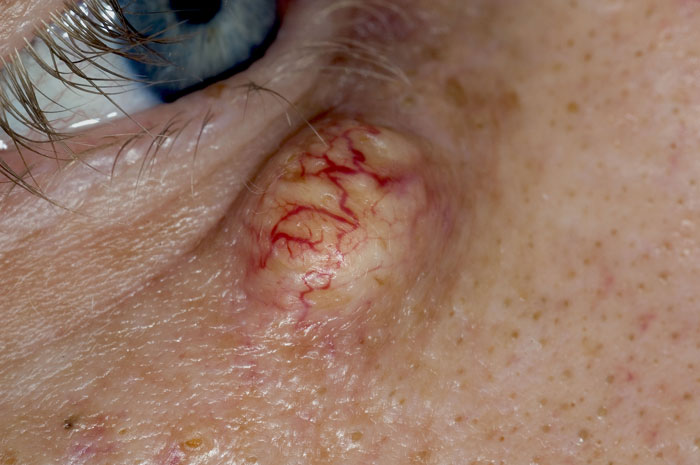
Epidermoid cysts are the most common of the cutaneous cysts and can occur anywhere on the body. Excision is usually straightforward in the majority of sites and often carried out in primary care. Cysts occurring around the eyes can be more challenging and may require referral to a plastic surgeon. Epidermoid cysts are benign lesions. However, any excised tissue should always be referred for histological examination as, in some cases, lesions may mimic cysts but hide more serious pathology. In this case telangiectasia is present which may be a sign that the lesion is actually a nodular basal cell carcinoma.
Corneal foreign body
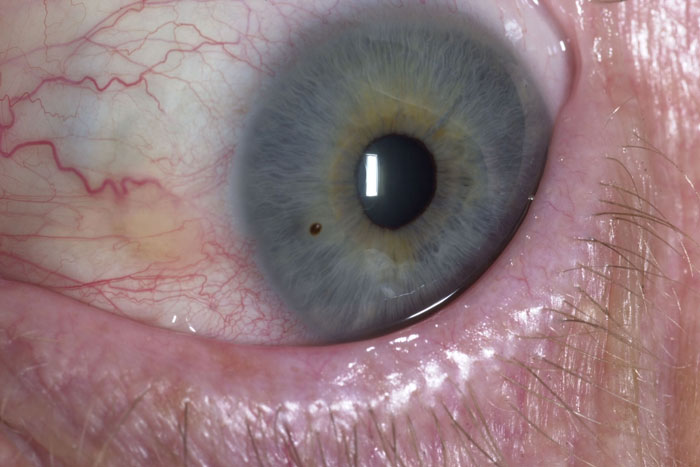
Conjunctival and corneal foreign bodies are among the most common ophthalmic emergencies. In some cases, the foreign body will still be visible in others it will be ongoing pain that is the problem. In the latter, it is always important to consider the presence of an intraocular foreign body especially where there is a history of trauma. If foreign bodies are removed promptly there are generally no long-term sequelae, although in some cases infection and corneal scarring may occur. In most cases the risk of complications is directly related to the time between the injury and treatment. Management is aimed at relieving pain, avoiding infection, and preventing permanent loss of function. It usually entails removal of the foreign body followed by antibiotic drops.
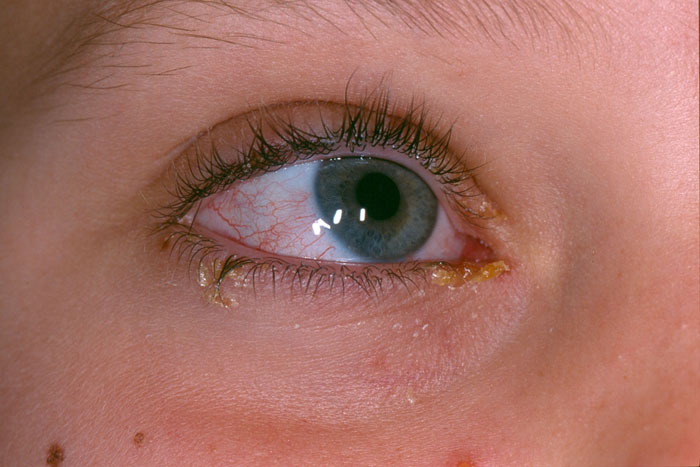
Conjunctivitis
Conjunctivitis is one of the most common eye problems presenting in primary care. It can be caused by bacterial or viral infection, chemicals or an allergic reaction. The conjunctiva will look red with dilated blood vessels over the surface and the eye will be painless. A discharge may be present especially in cases of bacterial infection, and either one or both eyes may be affected. In the first 28 days of life it is important not to miss gonococcal infection as a cause as the infection can be transmitted vertically during delivery.
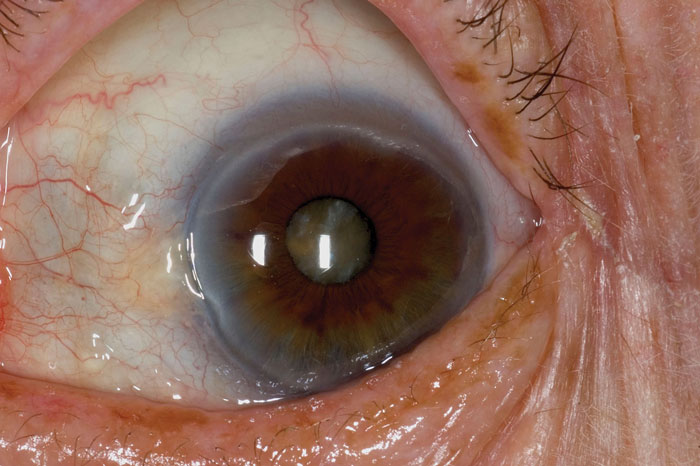
Cataract
Cataracts are caused by a gradual progressive thickening of the lens and if left untreated can result in blindness. The condition is more common in patients with diabetes and can be associated with excess UV exposure, alcohol ingestion and, in the case of nuclear cataracts, smoking. The only treatment option is surgery. Although at present no medication has been found to prevent cataracts current studies are looking into the use of sorbitol-lowering agents, aspirin, agents that increase glutathione levels, and antioxidant vitamins C and E.