SEARCH

Haslam’s view: What do GPs really do? Practitioner 2017;261(1802):31
What do GPs really do?
22 Mar 2017
AUTHORS
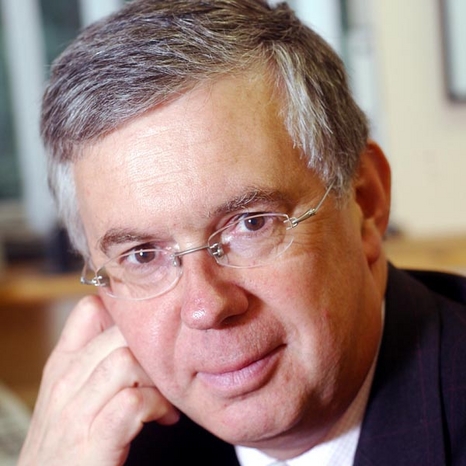
Professor David Haslam CBE FRCGP
Chair NICE, Past President BMA, Past President RCGP
Article
I don’t really have any idea what people in different professions, actually do all day. Do you? What do actuaries, astronomers or ethicists do when they arrive at work?
In the same way, I’m pretty certain that not many people really understand what GPs do either. Healthcare and the NHS are currently at the top of the media and political agenda. Pundits love to write about what GPs do, and what might be done differently or better, but I often wonder whether they really do understand the role and the challenge.
The trouble is that every commentator about general practice really does think that they know what the task involves. After all, every one of them has a GP and will have visited their GP at some point.
They probably saw us sitting in a comfortable office, and referring on to secondary care anything that seemed remotely complicated. That doesn’t sound like a challenging or worthwhile task. So it is little wonder that so many people in authority believe that most of what GPs do can be done by others.
Indeed, I remember one senior politician many years ago who had a very clear vision that GPs were wasting their time on trivia, when they could actually be getting on with the tasks that really mattered – clearing waiting lists.
What GPs do is extraordinarily complex and often goes unrecognised. That lesson was learnt rather painfully by one of my patients some time ago. Louise was in her early twenties and a regular attender at my practice. There was rarely much wrong with her but there can’t have been a fortnight that went past when I didn’t see her.
Louise had a close friend called Janice who developed cancer.
It was a rapidly aggressive cancer that was soon beyond treatment other than palliative care.
For several months I called at least twice a week and in the last ten days of her life I visited her at least once a day. Louise was often with her.
Ultimately her death was peaceful if unbearably tragic. Her children were by her bedside. To this day I can picture them still.
For several months after Janice’s death Louise stopped coming to the surgery. I wondered what was wrong. One day I saw her in the street and waved as I drove past. She waved back sheepishly and the next day wrote me a letter.
Dear Dr Haslam
I must apologise. I had no idea what your job involved. I thought you just sat in your surgery seeing people like me. Now I know what you really do, and how awful it must be for you to have to see people who are dying, and frightened, and depend on you.
Thank you for what you did for Janice, and I am really sorry for wasting your time so often. I’ll only come now when I really need to.
As letters from patients go, it was quite extraordinary. Part of me even worried that she wouldn’t now attend when she really needed to. She did come just not very often. She occasionally mentioned Janice, but never the letter and neither did I.
Most of the time the tasks that GPs carry out do look easy. Concert pianists, opening batsmen, TV presenters, and professional golfers all make what they do look so easy. However, we all know that the absolute mastery of a complex art can take years of practice.
General practice is really no different.
 Download this article in PDF format