SEARCH

Haslam D. Was I making a drama out of a crisis? Practitioner April 2019;263(1825):31
Was I making a drama out of a crisis?
24 Apr 2019
AUTHORS
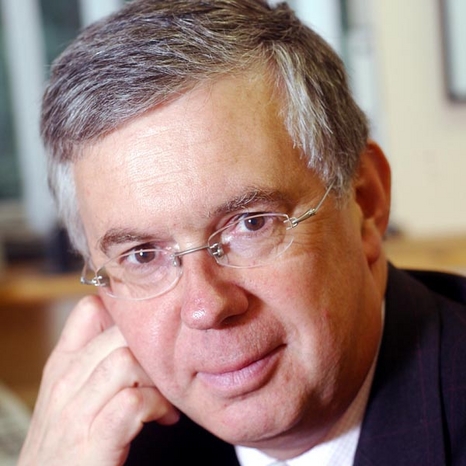
Professor Sir David Haslam CBE FRCGP, Chair NICE, Past President BMA, Past President RCGP
Article
I was doing morning surgery when the phone on my desk rang. My receptionists knew that I hated being disturbed, so I felt it must be urgent. It was. One of our local midwives was calling. She sounded breathless and rather panicked.
A home delivery was not going well, and she needed my help.
Driving at speed to an outlying village, I tried to remember some details about the family.
This was a second pregnancy, after a straightforward hospital delivery of the first baby. There had been no contraindications to home delivery, and the midwifery team were exceptionally good.
I arrived at the house, rang the bell, let myself in, and ran upstairs to my patient’s bedroom. My patient was worryingly quiet and still.
It was clear to me that the cause was a massive postpartum haemorrhage, after a normal birth.
More worryingly, although the midwife had phoned me, no one had sent for an ambulance.
That had to be priority number one. This was before mobile phones, but I noticed a landline phone on the other side of the bed. Grabbing the phone, I called an ambulance, checked my patient’s pulse and blood pressure, and put up a drip, running through as much fluid as
I felt I could safely monitor. At the time I was part of a GP accident scheme and carried all manner of emergency equipment in my car.
While all this was going on, and as I gradually felt I was getting on top of this life-threatening situation, I became aware for the first time of my patient’s husband who was standing in the corner of the room. He caught my eye and said words
I will never ever forget. ‘Is this all strictly necessary? You are rather spoiling the ambience of the occasion.’
‘I’m sorry, but have you any idea how sick your wife is right now,’ I replied through gritted teeth.
I explained to him what had happened, and – as I did so - his wife clearly began to improve, no doubt thanks to the initial two units of fluid I had already run through.
The ambulance eventually arrived, the crew initially looking horrified by the scene, but with great professionalism soon carried mother and baby off to hospital.
After going home to change – my clothes were all blood splattered – I went back to the surgery to resume the day’s work. An hour or so later, one of the reception team came in to see me with a message. ‘Just to let you know,’ she said, ‘your haemorrhage patient has been sent home.
The doctor in A&E thinks you overreacted.’
Hmm. I had a few uncharitable thoughts about the doctor in casualty and carried on with my work. An hour later, I had another phone call. This time it was the haematology lab. Could I arrange for my patient to be re-admitted urgently. Her haemoglobin was an astonishingly low 4.3. Clearly the fluid I had given her had created an illusion of recovery, but she actually needed a blood transfusion urgently.
As I went home at the end of that day’s work, it struck me that in just one day I had experienced most of the major challenges that can face GPs – routine work disrupted by urgent care, having no idea what the next minute might bring, facing life-threatening illness, dealing with relatives with unrealistic health beliefs, coping with negative perceptions from hospital doctors – the list could go on.
But everyone involved lived and thrived. You can’t ask for more than that.
ARTICLE IN PDF
 Download this article in PDF format
EXTERNAL WEBLINKS
Tell us what you think
If you want to share your experiences or views with other readers, write to: [email protected]