SEARCH

Assadsangabi A, Lobo AJ. Diagnosing and managing inflammatory bowel disease. Practitioner 2013; 257 (1763):13-18
Diagnosing and managing inflammatory bowel disease
25 Jul 2013
Article
Inflammatory bowel disease (IBD) comprises idiopathic chronic conditions of unknown aetiology with an inflammatory intestinal response to unknown triggers. The two major types of IBD are ulcerative colitis and Crohn’s disease. Both are characterised by a relapsing and remitting course.
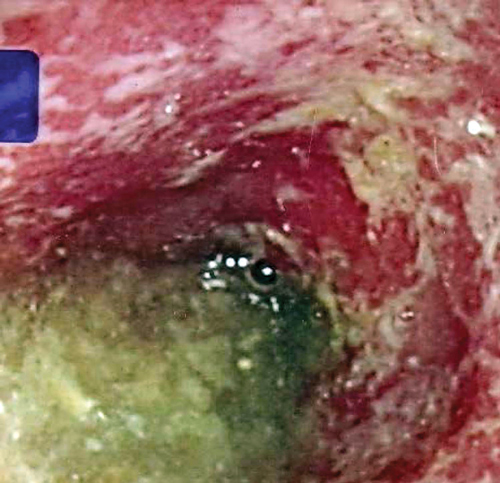
In ulcerative colitis, the mucosal inflammation affects the rectum and to a variable extent the areas proximal to the rectum in a continuous pattern, see figure 1. Although it only affects the colon total colitis can be associated with a ‘backwash’ ileitis.
Crohn’s disease is characterised by discontinuous areas of transmural inflammation that can affect any part of the gastrointestinal tract but most frequently involves the distal small intestine and proximal colon, see figures 2 and 3. Crohn’s disease can cause complications such as strictures, abscesses, sinus tracts and fistulae. These features may also contribute to bowel obstruction.1,2
The revised Montreal classification, see tables 1 and 2, is a practical way of characterising the clinical and endoscopic patterns of IBD.3,4
IBD is most common in Northern Europe and North America with a prevalence of approximately 400 per 100,000 in the UK.5,6 There has been an increase in the numbers of Scottish children diagnosed with IBD since the mid 1990s.7 Men and women are similarly affected. There is a bimodal age of presentation with an initial peak in the second and third decades of life followed by another peak in the sixth decade.8
Presentation
Ulcerative colitis
Acute ulcerative colitis typically presents with bloody diarrhoea with the passage of mucus, urgency and cramping abdominal pain. There may be a family history of IBD. A history of foreign travel should be sought and infective causes of acute diarrhoea should be excluded. The current British Society of Gastroenterology (BSG) guideline recommends four consecutive stool cultures.9
Clinical features are a guide to the severity of an attack, which can be graded using the criteria of Truelove and Witts, see table 3.10
A severe attack is usually considered to be associated with bloody stools six times a day or more plus one of the features of systemic toxicity.
Patients with a severe attack require hospitalisation and intensive inpatient treatment.
Inflammatory markers in the blood (plasma viscosity, ESR, CRP or plasma orosomucoids) are not always raised in ulcerative colitis, particularly when mild or moderate in severity.
At endoscopy the mucosa appears reddened, with loss of the vascular pattern and either bleeds on contact with the endoscope or has evidence of spontaneous bleeding, see figures 2 and 3. Diagnosis is confirmed by typical histological features on biopsy.
Crohn’s disease
Crohn’s disease presents with a typical combination of abdominal pain, diarrhoea and weight loss.
Pain or fever may also signify the development of an abscess and stricture formation will lead to obstructive symptoms.
Physical examination should look for evidence of fever, anaemia or a right iliac fossa mass, which can occur as a manifestation of disease activity due to the presence of inflamed loops of small bowel or an abscess. Perianal disease in the form of abscesses or fistulae may be present in 35-45% of patients during the course of their disease.11,12,13
Further investigation involves blood tests and a combination of endoscopy with biopsy and radiology to image the small and large bowel, see table 4.
The clinical course can be very variable in IBD. A more debilitating course in Crohn’s disease may occur in those patients who, at presentation, are:
• young
• have extensive proximal small bowel disease, colonic disease, perianal disease or
• require systemic steroids 14,15
Treatment
For both ulcerative colitis and Crohn’s disease, treatment of a flare i.e. induction of remission is followed by treatment to maintain remission.
Ulcerative colitis
Induction: The severity of an acute attack and the extent of disease should be taken into account in deciding on treatment.
Maintenance: Oral aminosalicylates are first-line maintenance therapy in left-sided and extensive colitis, see table 5. Intermittent rectal aminosalicylates are effective maintenance for proctitis and proctosigmoiditis although oral aminosalicylates alone or in combination with topical treatment may be considered,16,17 particularly as oral treatment may be better tolerated or more acceptable to patients.
Azathioprine or 6-mercaptopurine should be considered for maintaining remission in the following cases:16
• Two or more ulcerative colitis flares in the past 12 months requiring steroid therapy
• Following an attack of acute severe colitis
Surgery: Surgery may be required as an emergency during an acute severe attack of ulcerative colitis for perforation, toxic dilatation, massive haemorrhage or where an attack does not settle with medical treatment – which now usually includes intravenous steroids and ciclosporin or infliximab.
Surgery may also be considered in patients with frequent relapses or less severe chronic symptoms despite medical therapy and where surgery may restore quality of life. Surgical options include colectomy with permanent ileostomy or construction of an ileoanal pouch, which restores intestinal continuity and avoids a stoma. Patients should undergo careful counselling with a specialist colorectal surgeon and stoma therapist prior to such surgery.
Crohn’s disease
Treatment usually follows a sequential step-up approach, in which less aggressive treatments are initiated first, followed by more potent drugs or surgery if the initial medical therapy fails.2
However, there is debate about whether this conventional approach is appropriate and whether more aggressive treatments e.g. anti-TNF agents and thiopurine immunosuppression should be deployed earlier — accelerated step-up or top-down approaches. The role of early surgery for terminal ileal disease is uncertain.
Induction: Options for induction of remission in Crohn’s disease, are summarised in table 6.
Maintenance: Aminosalicylates have limited benefit for maintenance of remission in Crohn’s disease. Azathioprine/6-mercaptopurine should be considered as the first-line maintenance treatment in the following cases:9
• After an acute severe attack
• Two or more relapses in a 12-month period requiring corticosteroid therapy
Methotrexate should be considered for maintenance therapy in patients intolerant of thiopurines. It should also be continued if methotrexate is used for the induction of remission.18 Conventional glucocorticoids, budesonide or enteral nutrition should not be offered for maintaining remission in Crohn’s disease.18
Infliximab and adalimumab are the only biologic treatments currently approved by NICE for the treatment of severe active Crohn’s disease. (Infliximab is also licensed for fistulating Crohn’s disease). Both these medications are monoclonal antibodies against TNF-alpha. Infliximab is given as an intravenous infusion whereas adalimumab is administered by subcutaneous injection.
Anti-TNF therapy can be used for both induction and maintenance treatment of severe active Crohn’s disease in the following situations:9,18,19
• No response to conventional therapy (corticosteroids and/or immunomodulators)
• Contraindications or intolerance to conventional therapy
Maintenance anti-TNF treatment is more effective than intermittent treatment in terms of reducing the need for surgery or hospitalisation.20
The current NICE guideline recommends annual review of Crohn’s disease activity for all patients on maintenance anti-TNF therapy and consideration of withdrawal of treatment in those who are in stable clinical remission.19 This strategy has been associated with a relapse rate of 44% over the following year. 21
Primary care monitoring
As many as 32% of IBD patients are managed solely in general practice.22 The overall approach to delivering high quality care for this group of patients has been described in national IBD standards.23 Hospital services for IBD should provide a multidisciplinary team that includes access to specialised medical and surgical care, supported by specialist IBD nurses, dieticians, stoma therapists, pharmacists and psychologists — though the latter are not widely available. Clear communication between this team and primary care is crucial, with opportunities taken for sharing care where possible.
A number of aspects of the management of patients with IBD can be shared between primary and secondary care. These might include agreed pathways for rapid referral of patients with suspected IBD, treatment of flares using an agreed protocol and monitoring (including blood tests in patients taking aminosalicylates and immuno-suppressive drugs, and bone density).
Particular attention should be paid to the following areas:
Drug monitoring
Aminosalicylates: Monitoring renal function is necessary before and three months after starting aminosalicylates followed by an annual check.24 If there is any suspicion of blood dyscrasia such as unexplained bleeding, bruising or fever, a full blood count (FBC) should be carried out.24
Thiopurines: The level of the enzyme thiopurine methyltransferase (TPMT) should be checked before starting thiopurine therapy (azathioprine/6-mercaptopurine). Enzyme activity is absent in 1:300 of the population and such individuals are at risk of life-threatening myelosuppression if exposed to thiopurines,9,18,24 which are therefore contraindicated in this situation.
Myelosuppression is a serious potential side effect of thiopurines. FBC should be monitored throughout the treatment. One common approach is to check the FBC every 2-4 weeks for the first two months followed by 4-8 weekly thereafter9— usually under a shared care scheme agreed locally and with a patient-held record. The patient should be warned to seek urgent medical help and to stop the thiopurines if fever, sore throat or other evidence of infection develop.
There should be clear local arrangements that define monitoring requirements and specify who is responsible for undertaking this and acting on results.
Thiopurines may also be associated with acute pancreatitis and hepatitis.
Methotrexate: FBC, renal and liver function tests (LFTs) are recommended before starting methotrexate and repeated 1-2 weekly while the dose is stabilised. These tests should then be repeated at 3 monthly intervals. 24
Patients should be warned to report urgently any symptoms suggestive of underlying blood dyscrasia (sore throat, bruising, unexplained bleeding), hepatic toxicity or respiratory compromise.24
Anti-TNF alpha: Although anti-TNF alpha therapy (infliximab and adalimumab) in IBD patients is normally closely monitored by secondary care, awareness of the potential side effects is important. Reactivation of latent tuberculosis and hepatitis B reactivation 9, 24 may occur and screening before treatment should include enquiry about possible prior TB exposure, chest X-ray and an interferon gamma release assay (IGRA) for latent TB and serology for hepatitis B, C and HIV.
There is an increased lymphoma risk with both thiopurines and anti-TNF agents. The risk is 4.0 per 10,000 patient-years for thiopurines alone and 6.1 per 10,000 patient-years for combination therapy, compared with a background population risk of 1.9 per 10,000 patient-years.25,26 Worsening heart failure and demyelination are among other serious side effects.24
Monitoring bone health
Bone density in IBD may be reduced due to inflammatory activity of the disease itself 27 and the effect of corticosteroids. Calcium and vitamin D supplementation should be given and bisphosphonate treatment considered in accordance with national guidelines.9, 28
Opportunistic infections and vaccination
Patients with IBD may be at higher risk of infection because of nutritional factors, associated hyposplenism or medication. Corticosteroid therapy with prednisolone > 20 mg daily for longer than two weeks increases the risk of infection.29 Approximately 80% of IBD patients will be treated with steroids, 40% with thiopurines and 20% with anti-TNF agents. The most practical time for checking evidence of previous infection and immune status to a range of viral infections, may therefore be at diagnosis.29 Particular consideration should be given to the following vaccines:
• Varicella zoster virus (VZV): consider in IBD patients with negative VZV serology and no previous history of chickenpox, shingles or vaccination against the virus29
• Human papilloma virus (HPV): consider in girls aged 11-12, and in cases of delayed or missed immunisation for the 13-18 age group.30,31 Regular screening for cervical cancer is strongly advised for women with IBD, especially while on immunomodulator therapy29
• Influenza: routine annual immunisation with trivalent inactivated influenza vaccine is recommended for all IBD patients on immunomodulator therapy but the live attenuated vaccine should be avoided 29,32
• Pneumococcal vaccine: consider in all IBD patients at diagnosis or at least two weeks before immunomodulator therapy with a single revaccination in three to five years’ time if ongoing immunosuppression is required 29, 33
• Hepatitis B virus: should be considered for seronegative IBD patients29
IBD patients who are not on any immunomodulator therapies should follow the standard national vaccination guidelines before travelling. Patients on immunomodulator therapy should have a pre-travel consultation with their doctor. 29 Non-live vaccines are generally safe but may be less effective in this group; hence vaccination is best given before immunomodulator treatment if possible.29 Live vaccines are contraindicated in IBD patients on immunomodulator therapy.29
Children and adolescents
Transition to adult care
It is important that young people with IBD, and their families, are part of formal, defined arrangements for transition from paediatric to adult care. This requires careful preparation and co-ordination between paediatric and adult teams. The IBD nurses from both services play a crucial role during this transition. Particular attention needs to be paid to the impact of the condition and treatment on an individual’s growth and development, education, relationships and psychosexual issues.
Puberty and growth
Height and weight should be monitored every 12 months in children and young people with IBD and as long as they are in remission, and every six months during the pubertal growth period.16 This should be intensified to every 3-6 months in those who relapse during puberty, are on corticosteroids or those with chronic active disease.16
Referral to a paediatrician should be considered in all patients with slow pubertal development.16
Psychosocial issues
Because of the chronic and, at times, debilitating nature of IBD, special attention to the psychosocial aspects of the disease is very important. There is a clear association between clinical disease activity in this group of patients and depressive disorders and sexual dysfunction.34
Disruption to family life, relationships, education and employment has many implications for IBD patients affecting self-esteem and social function especially among newly diagnosed and young patients.35
Conclusion
There have been considerable developments in the management of patients with IBD not only in terms of medical treatment but also in service organisation and standards. Understanding these will help deliver the best care for these, potentially debilitating conditions integrated across primary care and hospital departments.
GPs have a vital role in the management of these patients through rapid recognition of symptoms suggesting IBD leading to earlier diagnosis with a resultant reduction in morbidity, early treatment of exacerbations of symptoms, shared monitoring of drug therapy and bone health, and by providing support and information.
REFERENCES
1 Louis E, Collard A, Oger AF et al. Behaviour of Crohn‘s disease according to the Vienna classification: changing pattern over the course of the disease. Gut 2001;49: 777–82
2 Daniel BC, William SJ. Inflammatory bowel disease: clinical aspects and established and evolving therapies. Lancet 2007;369:1641–57
3 Silverberg MS, Satsangi J, Ahmad T et al. Toward an integrated clinical, molecular and serological classification of inflammatory bowel disease: Report of a Working Party of the 2005 Montreal World Congress of Gastroenterology. Can J Gastroenterology 2005;(19 Suppl A):5-36
4 Satsangi J, Silverberg MS, Vermeire S et al. The Montreal classification of inflammatory bowel disease: controversies, consensus, and implications. Gut 2006;55:749-53
5 Rubin GP, Hungin AP, Kelly PJ et al. Inflammatory bowel disease: epidemiology and management in an English general practice population. Aliment Pharmacol Ther 2000;14:1553-9
6 Loftus EV Jr. Clinical epidemiology of inflammatory bowel disease: incidence, prevalence, and environmental influences. Gastroenterology 2004; 126:1504–17
7 Henderson P, Hansen R, Cameron FL et al. Rising incidence of pediatric inflammatory bowel disease in Scotland. Inflamm Bowel Dis 2012;18(6):999-1005
8 Andres P, Friedman S. Epidemiology and the natural course of inflammatory bowel disease. Gastroenterol Clin North Am 1999;28:255-281
9 Mowat C, Cole A, Windsor A et al. Guidelines for the management of inflammatory bowel disease in adults. Gut 2011;60:571-607
10Truelove SC, Witts LJ. Cortisone in ulcerative colitis: final report on a therapeutic trial. Br Med J 1955 Oct 29;2(4947):1041-8
11 Rankin GB, Watts HD, Melnyk CS, Kelley ML Jr. National Cooperative Crohn's Disease Study: extraintestinal manifestations and perianal complications. Gastroenterology 1979;77(4 Pt 2):914-920
12 McKee RF, Keenan RA. Perianal Crohn's disease — is it all bad news? Dis Colon Rectum 1996; 39:136-142
13 Platell C, Mackay J, Collopy B et al. Anal pathology in patients with Crohn's disease. Aust NZ J Surg 1996; 66:5-9
14 Louis E, Belaiche J, Reenaers C. Do clinical factors help to predict disease course in inflammatory bowel disease? World J Gastroenterol 2010;16:2600–2603
15 Beaugerie L, Seksik P, Nion-Larmurier I et al. Predictors of Crohn's disease. Gastroenterology 2006;130:650-656
16 National Institute for Health and Care Excellence. CG166. Ulcerative colitis: Management in adults, children and young people. NICE. London. 2013
17 Dignass A, Lindsay J, Sturm A et al. Second European evidence-based Consensus on the diagnosis and management of ulcerative colitis: Current management. J Crohn's Colitis 2012; http://dx.doi.org/10.1016/ j.crohns.2012.09.002
18 National Institute for Health and Clinical Excellence. CG152. Crohn's disease: Management in adults,
children and young people. NICE. London. 2012
19 National Institute for Health and Clinical Excellence. TA187. Infliximab (review) and adalimumab for the treatment of Crohn’s disease. NICE. London. 2010
20 Rutgeerts P, Feagan BG, Lichtenstein GR et al. Comparison of scheduled and episodic treatment strategies of infliximab in Crohn's disease. Gastroenterology 2004;126:402-413
21 Louis E, Mary JY, Vernier-Massouille G, Grimaud JC. Maintenance of remission among patients with Crohn's disease on antimetabolite therapy after infliximab therapy is stopped. Gastroenterology 2012;142(1):63-70
22 Stone MA, Mayberry JF, Baker R. Prevalence and management of inflammatory bowel disease: a cross-sectional study from central England. Eur J Gastroenterol Hepatol 2003;15(12):1275-1280
23 The IBD Standards Group 2009. Quality Care: Service Standards for the healthcare of people who have Inflammatory Bowel Disease (IBD) www.bsg.org.uk/ attachments/160_IBDstandards.pdf
24 British National Formulary (65th ed.). British Medical Association and Royal Pharmaceutical Society of Great Britain. March 2013
25 Beaugerie L, Brousse N, Bouvier AM et al for the CESAME Study Group. Lymphoproliferative disorders in patients receiving thiopurines for inflammatory bowel disease: a prospective observational cohort study.
Lancet 2009 Nov 7;374(9701):1617-25
26 Siegel CA, Marden SM, Persing SM et al. Risk of lymphoma associated with combination anti-tumor necrosis factor and immunomodulator therapy for the treatment of Crohns disease: a meta-analysis. Clin Gastroenterol Hepatol 2009;7:874–81
27 Reinshagen M. Osteoporosis in inflammatory bowel disease. J Crohn’s Colitis 2008;2:202–7
28 Compston J, Cooper A, Cooper C et al. Guideline for the diagnosis and management of osteoporosis in postmenopausal women and men from the age of 50 years in the UK. National Osteoporosis Guideline Group (NOGG), Updated May 2013. www.shef.ac.uk/ NOGG/ NOGG_Pocket_Guide_for_Healthcare_ Professionals.pdf
29 Rahier JF, Ben-Horin S, Chowers Y et al. European evidence-based Consensus on the prevention, diagnosis and management of opportunistic infections in inflammatory bowel disease. J Crohn's Colitis 2009 Jun; 3(2)47-91 doi:10.1016/j.crohns.2009.02.010
30 Harper DM, Franco EL, Wheeler CM et al. Sustained efficacy up to 4.5 years of a bivalent L1 virus-like particle vaccine against human papillomavirus types 16 and 18: follow-up from a randomised control trial. Lancet 2006;367:1247–55
31 Villa LL, Costa RL, Petta CA et al. Prophylactic quadrivalent human papillomavirus (types 6, 11, 16, and 18) L1 virus-like particle vaccine in young women: a randomised double-blind placebo-controlled multicentre phase II efficacy trial. Lancet Oncol 2005;6:271–8
32 Fiore AE, Shay DK, Haber P et al. Prevention and control of influenza. Recommendations of the Advisory Committee on Immunization Practices (ACIP), 2007. MMWR Recomm Rep 2007;56(RR-6):1–54
33 Targonski PV, Poland GA. Pneumococcal vaccination in adults: recommendations, trends, and prospects. Cleve Clin J Med 2007;74:401-406, 408-410, 413-414
34 Bokemeyer B, Hardt J, Hüppe D et al. Clinical status, psychosocial impairments, medical treatment and health care costs for patients with inflammatory bowel disease (IBD) in Germany: an online IBD registry.
J Crohn’s Colitis 2013;7(5):355-68
35 Ghosh S, Mitchell R. Impact of inflammatory bowel disease on quality of life: results of the European Federation of Crohn’s and Ulcerative Colitis Associations (EFFCA) patient survey. J Crohn’s Colitis 2007;1:10-20
ARTICLE IN PDF
 Download this article in PDF format


PRESET SEARCHES
PubMed
Inflammatory bowel disease review
Inflammatory bowel disease children
NICE evidence search
EXTERNAL WEBLINKS
NICE
Guidelines
British Society of Gastroenterology
Guidelines
Colorectal cancer screening and surveillance
ECCO guideline-opportunistic infections in IBD
National Osteoporosis Guideline Group