SEARCH

Haslam D. Haslam’s view: The power of the placebo. Practitioner 2017;261(1803):31
The power of the placebo
24 Apr 2017
AUTHORS
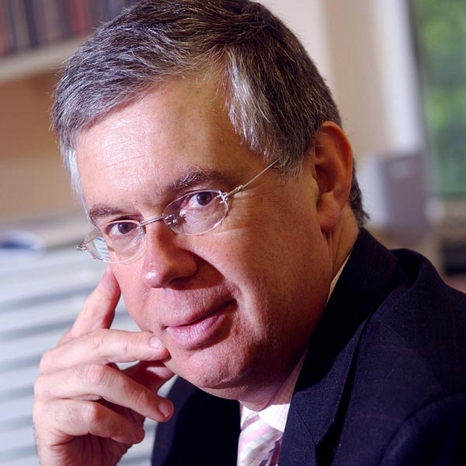
Professor David Haslam CBE FRCGP, Chair NICE, Past President BMA, Past President RCGP
Article
For my first ten or so years in practice, all our out-of-hours work, both overnight and at weekends, was simply shared between my rural practice and the neighbouring one five miles away.
To begin with, this meant we divided up all that work between no more than five or six doctors. As a result each of us was on call over a weekday night every week, and about once a month we covered everything that happened between 6 pm on Friday and 7 am on Monday.
So, what did this really mean? More than anything, it meant going to bed with no real idea as to whether you would have eight hours’ sleep or be called two minutes after closing your eyes. You would lay your head gingerly on the pillow, turn the light off, and pray. Few things were more frustrating than the phone ringing a few minutes later, getting dressed and driving out to see whoever it was who had called.
To this day, with some irritation eased only by the passing of time, my wife still recalls that I was, in her words, ‘sweetness and light’ as I answered the phone to the patient, saying ‘of course I don’t mind visiting you,’ only to put the phone down and start swearing and stamping round the bedroom as I got dressed in a thoroughly bad temper and drove out into the cold night.
Even when you had returned to bed, that might not be the end of it. More calls could follow, though I did note that I never, ever, had more than five calls during a single night after 11 pm.
So, was this a good service that we provided? Patients certainly appreciated it, and it did great things for the doctor-patient relationship. But I certainly look back on many aspects of it with puzzlement.
For instance, I lost count of the number of children I visited in the middle of the night because they were crying with earache.
I always carried starter sachets of amoxicillin or erythromycin, gave these to the parents, with a prescription for a full course to be collected the next day. And these sachets worked their magic, the crying stopped, and everyone – except the doctor – managed to get back to sleep.
Now we know that I was often wasting my time. The vast majority of cases of otitis media didn’t need antibiotics. So I was clearly overtreating and overmedicalising an upsetting but minor problem. We can only work within the parameters of current knowledge. At that time it was believed that otitis media was usually caused by Haemophilus influenzae, and needed antibiotic treatment.
In reality, I was probably dispensing a placebo that both the parents and I believed in.
The parents will have relaxed, the children will have responded, and peace will have descended. However, I suspect none of those visits did anything but provide face-to-face reassurance.
It certainly taught me about the power of the placebo, and that a therapist believing in something is no proof of effectiveness. And that in turn taught me a lot about the importance of evidence, and not just making the same mistakes with ever increasing confidence.
It’s a lesson we would do well not to forget.
 Download this article in PDF format