SEARCH

Chang RTM, Kirby R, Challacombe BJ. Is there a link between BPH and prostate cancer? Practitioner 2012; 256 (1750):13-16
Is there a link between BPH and prostate cancer?
25 Apr 2012
AUTHORS
Mr R T M Chang MBBS MRCS (Eng), Clinical Research Fellow in Urology, Guy’s Hospital, London
Professor Roger Kirby MA MS MD FRCS (Urol), Professor of Urology,The Prostate Centre, London
Mr B J Challacombe BSc (Hons) MBBS (Hons) MRCS (Ed) MS FRCS (Urol), Consultant Urological Surgeon and Honorary Senior Lecturer, Guy’s Hospital & King's College, London
Article
GPs are playing an increasing role in managing both prostate cancer and benign prostatic hyperplasia (BPH).
BPH is one of the most common diseases of older men, with more than 70% of men over 70 years affected, and prostate cancer is the most common cancer in men in the UK. The incidence of localised prostate cancer is rising because of increased PSA testing and publicity surrounding prostate cancer is arguably at its highest ever level.
Patients presenting to general practice with lower urinary tract symptoms (LUTS) usually have BPH but often want reassurance that they do not have prostate cancer. Difficult consultations can arise when patients ask valid questions along the lines of ‘could my symptoms be due to prostate cancer?’ and ‘what evidence is there linking prostate cancer to BPH?’ Furthermore, patients with BPH who undergo medical therapy may wish to know whether or not their risk of prostate cancer is affected by certain drugs.
We will focus on the symptomatic man concerned about prostate cancer who presents to his GP and offer guidance on management and information that can be given to patients with confidence.
Presentation
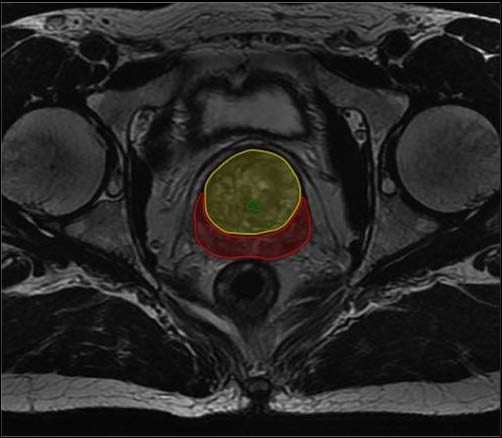
We know from screening studies that early (localised) prostate cancer is often symptomless, which fits with our knowledge that 80% of prostate cancers originate in the peripheral (outer) zone of the prostate gland. In contrast, BPH occurs more centrally in the periurethral transitional zone and hence causes obstruction of the urethra at an earlier pathological stage.
Patients with BPH usually present with LUTS that are bothersome or are concerned that their symptoms are either a warning for acute urinary retention or that they may indicate prostate cancer.
Prostate cancer generally presents in one of the following three ways:
• Asymptomatic patients who are screened (usually by a PSA test)
• Men with LUTS who are investigated and undergo prostate biopsy
• Patients with symptoms of metastasis such as bone pain
The majority of patients diagnosed with prostate cancer in the UK and Europe present with LUTS.1, 2
Men can be reassured that the main cause of LUTS is BPH.3 If prostate cancer is indeed present, the LUTS may very well be attributable to coexistent BPH or another pathology. Only a small proportion of men have LUTS that are directly attributable to prostate cancer. Although LUTS can be classified further into storage, voiding or mixed symptoms, there is no particular pattern of LUTS that is specific to prostate cancer and even men with locally advanced cancer may be asymptomatic or have LUTS similar to those for BPH.4
Without advancing beyond a detailed history, it will not be possible to begin to differentiate between BPH and prostate cancer in the man presenting with LUTS, unless there are symptoms of advanced systemic disease such as bone pain and weight loss.
Digital rectal examination
Digital rectal examination (DRE) is essential in the examination of a patient presenting with LUTS. Not only does it give an evaluation of prostate size, which is relevant in particular to BPH management, but along with PSA testing DRE is one of the only ways of differentiating clinically between BPH and prostate cancer in primary care.
If a nodular abnormality is present there is around a 50% chance of a diagnosis of prostate cancer being made on biopsy. Although early cancers are unlikely to have symptoms, they may be palpable on DRE. Conversely, occasionally advanced tumours may not be palpable. A DRE allows the PSA reading to be put into some context as a man with a borderline PSA and a very large benign feeling prostate is far less likely to have prostate cancer than a man with a small or abnormal feeling gland.
The DRE of any man concerned about prostate cancer forms a crucial part of assessment and is prominent in the European Prostate Cancer risk calculator.5
A meta-analysis of 14 studies, covering 22,000 patients, evaluated the value of DRE in prostate cancer within screened populations in a primary care setting and found DRE had good specificity (0.94) and a high negative predictive value (0.99), but both poor sensitivity (0.59) and positive predictive value (0.28).6
Prostate specific antigen
The most widely used marker for assisting in the detection of prostate cancer is the serum measurement of prostate specific antigen (PSA), a serine protease produced in the prostate epithelium. Raised levels of serum PSA may be suggestive of prostate cancer, but diagnosis requires histological confirmation in almost every case.
Many patients concerned about the possibility of prostate cancer may be keen to have a serum PSA test without fully understanding the implications surrounding the test. Many will expect the blood test to give a definitive answer with regards to whether they have prostate cancer and it is important that they understand that this is not the case.
Serum PSA testing has a role to play as one of several indicators for prostate biopsy along with abnormal DRE and urinary symptoms.
However, the PSA test has a high false-positive and significant false-negative rate. It is important that clinicians understand these limitations and can communicate this to their patients. Serum PSA testing has been shown to have sensitivities ranging from 0.78 to 1.00 and low specificities from 0.06 to 0.66.7
Both serum PSA testing without the patient's informed consent and deliberate omission of testing in men with a life expectancy of more than 10 years without discussing the option of testing should be discouraged.
The use of PSA testing can be improved by considering alternative causes for a rise in serum PSA (see table 1). If any of these other causes of raised PSA are suspected it may be prudent to repeat the PSA test.
It is important to note that PSA is secreted by normal prostatic tissue and the PSA level can be elevated in men with particularly large prostates in the absence of prostate cancer. As such, it is a marker for BPH and a level > 1.4 ng/ml is a strong predictor of progression in BPH.8
Prostate cancer cells produce PSA in a proportion around ten times greater compared with benign tissue. This is where the principle of PSA density, the PSA value divided by the prostatic volume in cm3, originates. A PSA density of > 0.15 ng/ml/cm3 is more significant with regards to predicting possible prostate cancer.
A normal PSA, PSA density and DRE can give reasonable confidence with regards to excluding clinically significant prostate cancer. There are several other markers available to help in the diagnosis of prostate cancer that are generally not used in primary care, e.g. PCA3, proPSA, free:total PSA ratios. None of these are a major improvement on PSA alone and many are still undergoing evaluation.
Prostate biopsy
Patients will need to be informed that the definitive investigation for prostate cancer will be a prostate biopsy. It is also important that they realise that prostate biopsy has both benefits and limitations.
Biopsy can provide relief from anxiety if negative and also has the potential to diagnose cancer early while it is treatable and provide histological grading. It carries significant risks, however, in particular bleeding and infection. Particular attention should be paid to elderly and frail men, as the risk of infection has more significance and could result in death.
Beyond these complications, up to 20% of tumours can be missed despite biopsy9 and patients should understand that even with a negative biopsy result, further PSA tests and biopsies may be recommended.
Diagnosis of a clinically insignificant prostate cancer may significantly affect the patient’s quality of life.
Risk factors
BPH is not a known risk factor for prostate cancer although the two frequently coexist. It has been established that age is the strongest predictor of prostate cancer risk along with a family history.10,11
The largest familial prostate cancer study to date recently identified 26,651 patients with prostate cancer from a Swedish cancer registry database comprised of more than 11.8 milllion individuals. The study showed increasing risk of cancer diagnosis associated with a greater number of affected first-degree relatives, particularly if brothers were affected, and with younger age of diagnosis of affected family members.12
Men from families harbouring the BRCA2 gene also have a higher risk of developing prostate cancer. The other major risk factor is ethnic origin with African or Caribbean men having a 3-fold higher risk.
BPH and prostate cancer
There is great difficulty interpreting epidemiological data suggesting a relationship between BPH and prostate cancer, or pathophysiological mechanisms, because of difficulties in disease detection and selection. Although the aetiologies for both diseases are not comprehensively understood, traditionally BPH is not considered to be a precursor of prostate cancer.12 It is likely that although BPH may not make prostate cancer more likely to occur, it may increase the chance of diagnosing an incidental cancer.
The latest contribution to the debate was a recent nationwide Danish cohort study of 3 million men conducted to determine whether there was an association between BPH and prostate cancer.13 The study found that there was an associated 2- to 3-fold increased risk of prostate cancer incidence with a 2- to 8-fold increase in prostate cancer mortality. However, the authors explicitly state that their data should not be used to infer causality and Scandinavian countries have a higher rate of prostate cancer than the UK.
Medications for BPH
Currently the mainstay of evidence-based medical management of BPH is the use of 5α-reductase inhibitors (5-ARIs), alpha-blockers or a combination of the two. There has been much discussion among urologists over whether 5-ARIs for BPH have an effect on prostate cancer risk.
The Prostate Cancer Prevention Trial (PCPT) was a landmark, randomised placebo-controlled study looking at chemoprevention in prostate cancer. Commencing in 1993, it tested whether treatment with the 5-ARI finasteride would lower intraprostatic dihydrotestosterone levels and thereby prevent prostate cancer.14
A total of 18,882 men, aged 55 years or older with a normal DRE and PSA level < 3.0 ng/ml, were randomised to treatment with finasteride (5mg daily) or placebo for 7 years. Prostate biopsy was recommended if the annual PSA level (adjusted for finasteride) rose above 4 ng/ml or if DRE was abnormal.
The prevalence of prostate cancer was reduced by 24.8% in the finasteride group. However, the prevalence of high grade (Gleason grade 7 to 10) tumours was slightly higher in the finasteride group (6.4%) compared with placebo (5.4%).
This latter finding raised fears that finasteride may selectively promote high grade tumours and raised the question whether there was a true increased prevalence of higher grade tumours or whether this was artefactual.
Further analyses of the PCPT have shown that improved sensitivity in DRE and PSA for diagnosis of prostate cancer in the finasteride group would lead to higher detection of all Gleason grade cancers.15 5-ARIs cause a reduction in prostate volume and detection of higher grade prostate cancers via prostate biopsy has been shown to be higher in smaller volume prostates.16, 17 Accounting for all biases there was a 30% risk reduction for all cancers in the finasteride group and a non-statistically significant 14% increase in the prevalence of high grade tumours.18
The Reduction by Dutasteride of Prostate Events (REDUCE) trial was the second large-scale trial looking at dutasteride, another 5-ARI, which ended in 2005. The trial accrued 8,231 men aged 50 to 75 years with PSA levels ranging from 2.5 ng/ml to 10 ng/ml and prostate volumes ≤ 80cm3 with one prior negative prostatic biopsy within 6 months.
The REDUCE trial demonstrated that dutasteride reduced the risk of prostate cancer prevalence by 23% at 4 years and interestingly found no significant increase in the prevalence of Gleason grade 8 to 10 tumours.
Despite these studies neither of the 5-ARIs is licensed for prostate cancer chemoprevention and they are not endorsed for this role by either the British Association of Urological Surgeons or the European Association of Urologists.
There is some limited evidence that quinazoline-based alpha1-blockers such as doxazosin and terazosin, medications commonly used in the management of hypertension and BPH, have anti-tumour efficacy against prostate cancer cells through induction of apoptosis and inhibition of invasion and migration of prostate cancer cells and endothelial cells, a mechanism independent of their well known alpha1-adrenoceptor activity.
Tamsulosin, another alpha1-blocker, has a distinct and different sulfonamide- based chemical structure and has not been shown to elicit this apoptotic effect against prostate cells.19
The true chemopreventative benefit of these medications however, remains to be proven and requires further evaluation in clinical trials.
Conclusion
GPs play an important part in the initial management of men presenting with LUTS and in addressing concerns regarding prostate cancer and the significance of the patient’s symptoms. GPs also have a vital role in ensuring patients are fully informed before choosing to embark on further investigations for prostate cancer and in commencing 5-ARIs in a chemopreventative manner for LUTS.
While there is no proven causal link between prostate cancer and BPH, associations have been found. BPH may increase the chance of an incidental prostate cancer being diagnosed through PSA testing and other investigations being carried out. Chemoprevention using 5-ARIs in patients with BPH may have some effect but is not yet generally recommended.
REFERENCES
1 Walsh PC. Surgery and the reduction of mortality from prostate cancer. N Engl J Med 2002;347:839-840
2 Verhamme K, Dieleman J, Bleumink G et al. Incidence and prevalence of lower urinary tract symptoms suggestive of benign prostatic hyperplasia in primary care — the Triumph project. Eur Urol 2002;42:323-328
3 Chapple R. The Total Approach in Lower UrinaryTract Symptoms/Benign Prostatic Hyperplasia (LUTS/BPH) Management: Introduction and Conclusions. European Urology Supplements 2003;12(7):1–5
4 Hamilton W, Sharp D. Symptomatic diagnosis of prostate cancer in primary care: a structured review. Br J Gen Pract 2004;54(505):617-21
5 Roobol MJ, Steyerberg EW, Kranse R et al. A risk-based strategy improves prostate-specific antigen–driven detection of prostate cancer. Eur Urol 2010;57:79–85
6 Hoogendam A, Buntinx F, de Vet HC. The diagnostic value of digital rectal examination in primary care screening for prostate cancer: a meta-analysis. Fam Pract 1999;16(6):621-6
7 Harvey P, Basuita A, Endersby D et al. A systematic review of the diagnostic accuracy of prostate specific antigen. BMC Urol 2009;Sep 10:9-14
8 European Association of Urology. Guidelines on Benign Prostatic Hyperplasia. 2006. www.uroweb.org/ fileadmin/user_upload/ Guidelines/11%20BPH.pdf
9 Rabbani F, Stroumbakis N, Kava BR et al. Incidence and clinical significance of false-negative sextant prostate biopsies. J Urol 1998; 159(4):1247-1250
10 Johns LE, Houlston RS. A systematic review and meta-analysis of familial prostate cancer risk. BJU Int 2003: 91(9):789-794
11 Bostwick DG, Burke HB, Djakiew D et al. Human prostate cancer risk factors. Cancer 2004;101(Suppl 10):2371-490
12 Brandt A, Bermejo JL, Sundquist J et al. Age-specific risk of incident prostate cancer and risk of death from prostate cancer defined by the number of affected family members. Eur Urol 2010; 58:275-280
13 Ørsted DD, Bojesen SE, Nielsen SF, Nordestgaard BG. Association of clinical benign prostate hyperplasia with prostate cancer incidence and mortality revisited: a nationwide cohort study of 3,009,258 men. Eur Urol 2011;60(4):691-8
14 Thompson IM, Goodman PJ, Tangen CM et al. The influence of finasteride on the development of prostate cancer. N Engl J Med 2003;349(3):215-24
15 Thompson IM, Tangen CM, Goodman PJ et al. Finasteride improves the sensitivity of digital rectal examination for prostate cancer detection. J Urol 2007;177(5):1749–52
16 Kulkarni GS, Al-Azab R, Lockwood G et al. Evidence for a biopsy derived grade artifact among larger prostate glands. J Urol 2006;175(2):505-9
17 Cohen YC, Liu KS, Heyden NL et al. Detection bias due to the effect of finasteride on prostate volume: a modeling approach for analysis of the Prostate Cancer Prevention Trial. J Natl Cancer Inst 2007;99(18):1366-74
18 Redman MR, Tangen C, Goodman PJ et al. Finasteride does not increase the risk of high-grade prostate cancer: a bias-adjusted modelling approach. Cancer Prev Res 2008;1:174-81
19 Tahmatzopoulos A, Rowland RG, Kyprianou N. The role of alpha-blockers in the management of prostate cancer. Expert Opin Pharmacother 2004;5(6):1279-85
ARTICLE IN PDF
 Download this article in PDF format
EXTERNAL WEBLINKS
UPDATED EVIDENCE
US: National Cancer Institute
PDQ® (Physician Data Query) is NCI's cancer database of peer-reviewed, regularly updated evidence-based, referenced summaries
Prostate prevention
Prostate screening
Prostate treatment
UK: NICE- search results
Prostate cancer
Metastatic
British National Formulary
Malignant disease and immunosuppression
PubMed
Benign prostatic hyperplasia and prostate cancer
BPH relation to prostate cancer
Cancer Research UK
Prostate cancer statistics
Early diagnosis in primary care
UK Risk Assessment Tools
QCancer
Qcancer men
UK Early diagnosis programmes
UK NCAT
Macmillan - early diagnosis
BMJ Learning CPD module
Managing patients at risk of prostate cancer 1 hour