SEARCH

Haslam D. Does being a patient make you a better doctor? Practitioner May 2022;266(1858):31
Does being a patient make you a better doctor?
25 May 2022
AUTHORS
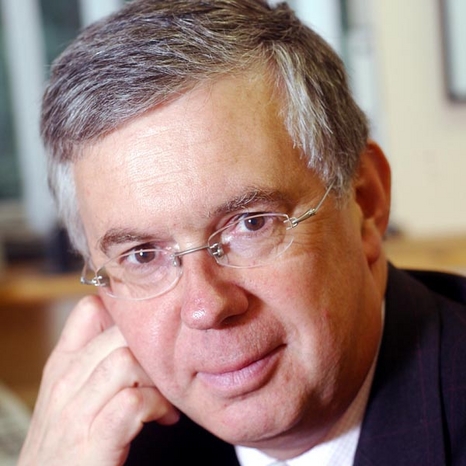
Professor Sir David Haslam CBE FRCGP, Past Chair NICE, Past President BMA, Past President RCGP
Article
I suppose it was inevitable. I woke at three in the morning with a rather stuffy nose. Nothing more dramatic than that. After drifting back to sleep for a few hours, when I surfaced I thought it best to do a lateral flow test.
I’ve lost count of how many tests I’ve done over the past couple of years. This one was very different, with that inevitable second line telling me that after two years of avoiding the virus, it had finally tracked me down.
Over the next couple of days, things slowly deteriorated. No cause for alarm. My pulse oximeter read a steady 98%, and my main symptoms seemed to be a constant headache and exhaustion.
I’m not after sympathy! After all, I expect to have made a full recovery by the time you read this.
However, I was genuinely surprised by how tired I felt, and then more than a little intrigued as to why I felt surprised. After all, every single account I have ever read or heard of other people’s experience of COVID-19 has mentioned the tiredness, so I really shouldn’t have been in the least taken aback by these symptoms. It’s most odd.
Except it isn’t. It’s absolutely typical. However kind, empathetic, and experienced we might be, doctors still tend to be rather poor at genuinely understanding what the experience of ill health is like.
I remember that my dad, who was a GP and who died when I was young, had a book that probably had more effect on my career than any other book I’ve ever read. It was called Disabilities, published in the early 1950s and now long out of print, and was primarily an account by patients about what it really felt like to have different conditions.
Some of the authors were doctors. Almost without exception the doctors expressed surprise at their emotions.
For many years a medical journal included a personal view column. In almost all these columns the doctor authors described their experiences like this, and I paraphrase only slightly: ‘I was fine, then I got this illness, and – you know what – it was really frightening, and painful, and awful – and I never ever knew. It absolutely changed the way I practise.’
When I had cancer three years ago, which involved radiotherapy and chemotherapy, it made me look back on the many hundreds of cancer patients I must have cared for over my career and made me realise how little I had truly understood what they were going through. Maybe that’s inevitable. Maybe we do have to be somewhat detached to be able to be a support through the patient’s traumas.
The sheer emotional exhaustion of total involvement in our patients’ lives can be overwhelming, but the secret is not to be so resistant to emotion that you come over as uncaring.
Getting the balance right between caring, empathy, objectivity, and personal emotional safety is not easy to achieve.
There is plenty of evidence that burnout leads to a loss of empathy. I have often suspected that empathetic doctors are more at risk of burnout than their more emotionally rigid colleagues.
Empathy is clearly a good thing. There is absolutely no doubt that both clinicians and patients feel that there is greater satisfaction about consultations which are empathetic. Indeed, improved clinical outcomes have also been linked to increased clinician empathy and a good therapeutic relationship.
I was still surprised by how the COVID-19 virus made me feel. Personal experience does count for a lot.
 Download this article in PDF format